
Why Are My Plant Leaves Drooping? How to Fix It
You walk into the room, glance at your plant, and your heart sinks — the leaves that stood tall yesterday are now hanging limp and lifeless. If you’re wondering why are my plant leaves drooping, take a breath: drooping is one of the most common plant problems, and it’s also one of the most fixable. A droopy plant is usually just sending you a message, and once you learn to read it, you’ll know exactly what to do.
In this guide, we’ll walk through the two main causes of drooping leaves (and how to tell them apart in under a minute), plus the less obvious reasons like repot shock, being root bound, and heat stress. You’ll also get a simple step-by-step fix that works for almost any houseplant.
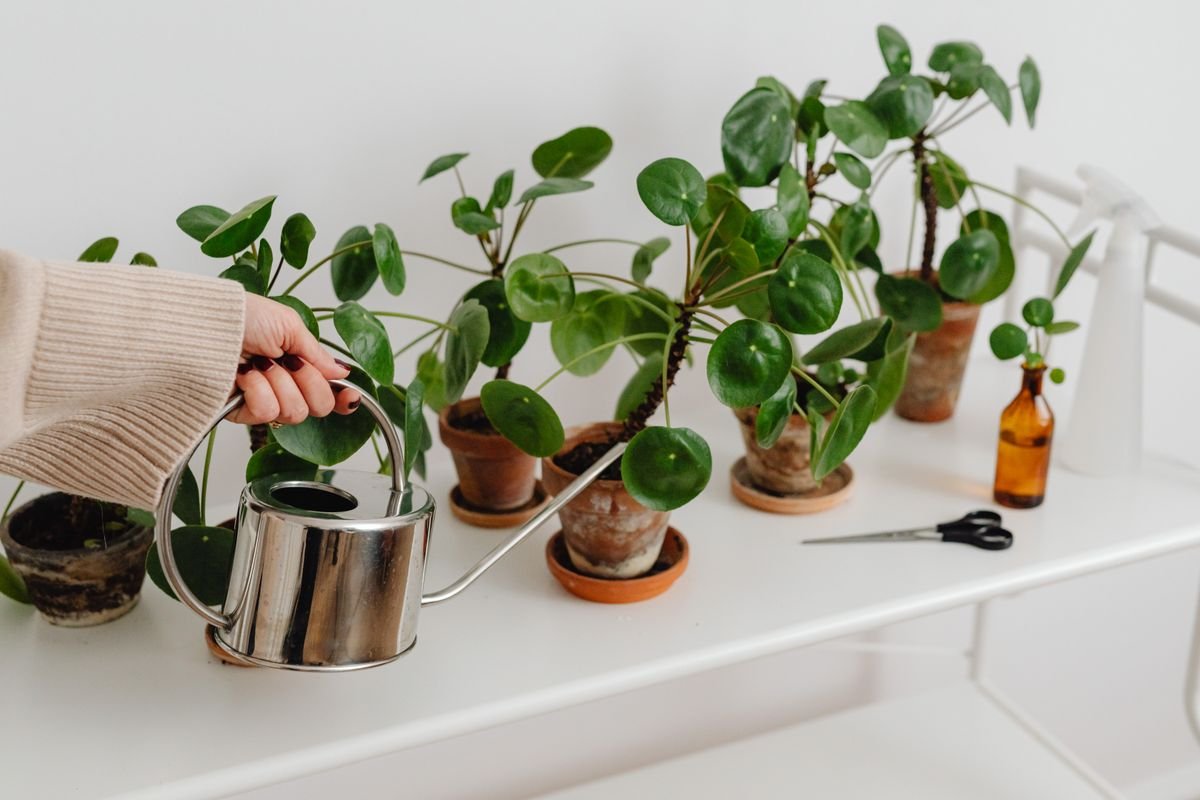
Why Are My Plant Leaves Drooping? The Two Main Causes
Here’s the tricky part about drooping: the two most common causes look almost identical. A thirsty plant droops. An overwatered plant also droops. Watering an overwatered plant makes things worse, and ignoring a thirsty plant lets it suffer longer. So the single most important skill is telling these two apart — and it’s easier than you think.
Signs Your Plant Is Simply Thirsty
When a plant doesn’t get enough water, its cells lose pressure (plant scientists call this turgor pressure), and the leaves go limp. Classic signs of a thirsty plant:
- Dry, light soil — the top inch or two of soil feels completely dry, and the pot feels noticeably lighter than usual.
- Dry, papery leaves — the leaves feel thin and dry to the touch, not soft or mushy.
- Crispy edges — leaf tips or edges may turn brown and feel crunchy.
- Fast recovery — thirsty plants usually perk up within a few hours of a good watering.
Signs Your Plant Is Overwatered
Overwatering drowns the roots. Roots need oxygen as well as water, and when they sit in soggy soil they start to rot. Rotted roots can’t absorb water, so — ironically — an overwatered plant droops from lack of water reaching the leaves. Watch for:
- Wet, heavy soil — the soil feels damp or soggy an inch down, days after you last watered.
- Soft, mushy leaves or stems — leaves feel limp and waterlogged rather than dry.
- Yellowing lower leaves — older leaves near the base turn yellow and may drop off.
- Musty smell or mould — the soil smells sour, or you see white/green mould on the surface.
- No recovery after watering — you water it, and nothing changes (or it gets worse).
Why Are My Plant Leaves Drooping Even Though I Watered?
This is the scenario that confuses everyone: you watered the plant, but it’s still drooping — or drooping more. If the soil is wet and the plant won’t perk up, the problem is almost certainly below the surface: root rot.
When roots sit in waterlogged soil for too long, they suffocate and begin to rot. Damaged roots can’t take up water no matter how much you pour in — which is why watering a root-rotted plant only makes the drooping worse. As the Royal Horticultural Society explains, overwatering can cause wilting that looks exactly like underwatering, and drowning an already-drowning plant is one of the most common houseplant mistakes.
If you suspect root rot:
- Gently slide the plant out of its pot and look at the roots.
- Healthy roots are white or light tan and firm. Rotted roots are brown or black, soft, and may smell bad.
- Trim away the mushy roots with clean scissors, leaving only firm, healthy ones.
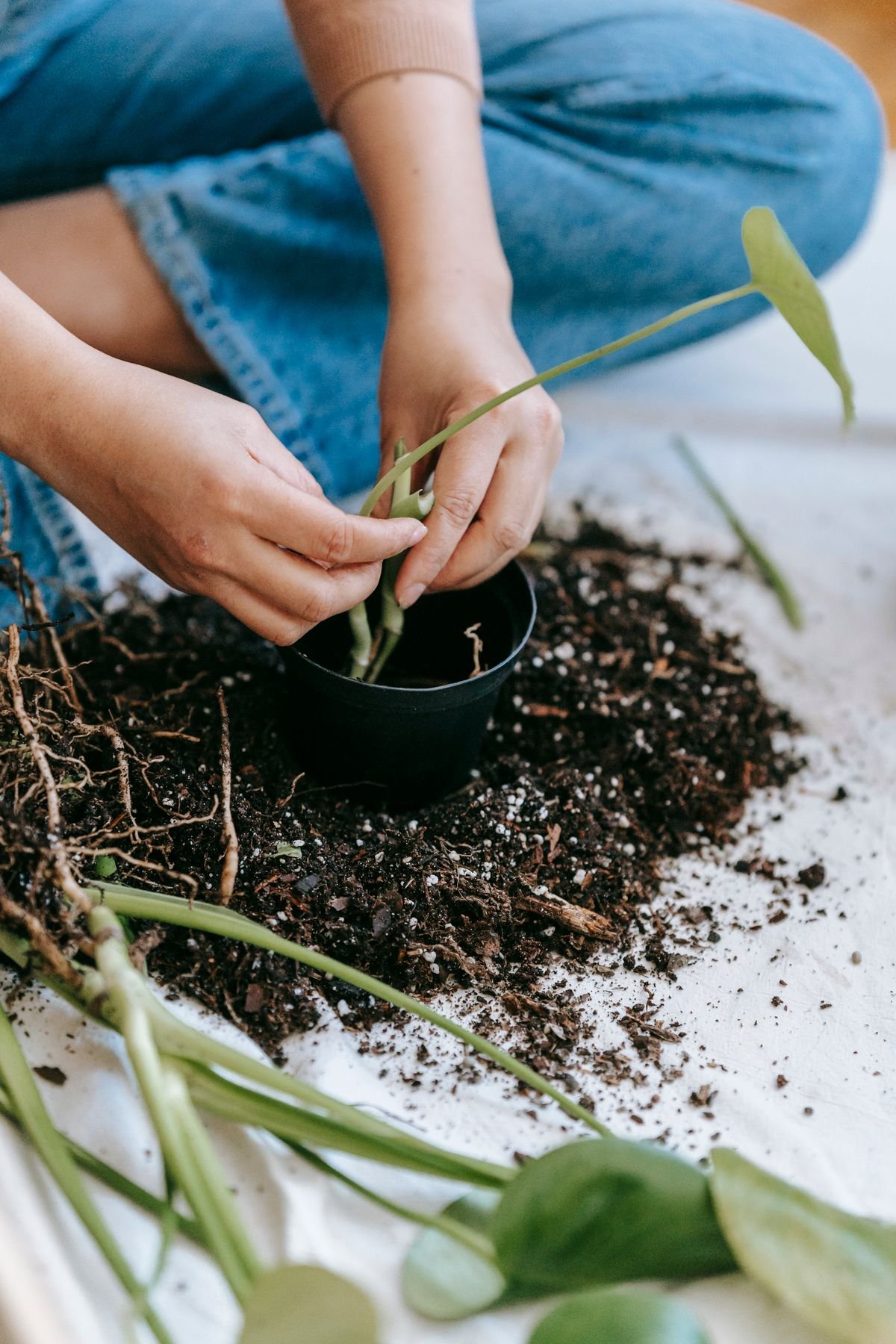
- Repot into fresh, dry, well-draining potting mix — don’t reuse the soggy old soil.
- Wait a day or two before watering lightly, then resume a normal schedule.
For a full rescue routine, see our guide on how to revive a dying plant — it covers root rot recovery step by step.
Other Reasons Your Plant Leaves Are Drooping
Water isn’t the whole story. If the soil moisture looks right but the leaves still hang, check these:
Your Plant Is Root Bound
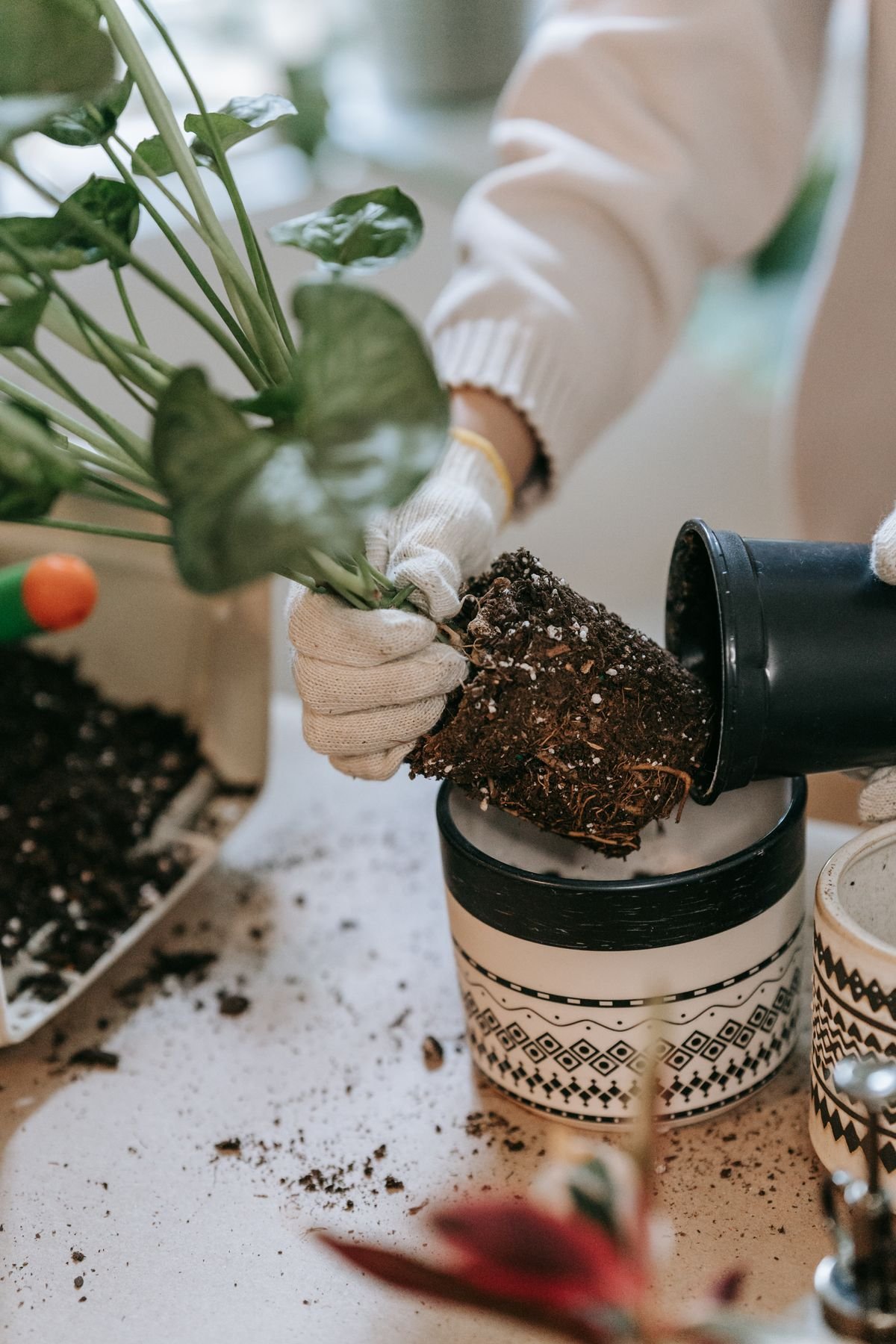
When a plant outgrows its pot, the roots form a dense, tangled ball with almost no soil left to hold water. Water runs straight through, the plant can’t drink properly, and the leaves droop even though you’re watering regularly. Signs: roots circling the drainage holes or poking out the top, water draining instantly, growth stalled. The fix is simple — move it to a pot 2–5 cm (1–2 inches) wider with fresh potting mix.
Repot Shock
Even a well-done repotting stresses a plant. Disturbed roots need a few days to settle, and drooping right after repotting is completely normal — the plant is just sulking. Keep it in bright, indirect light, water it once after repotting, then leave it alone. Most plants bounce back within a week. Avoid fertilizing until you see new growth.
Heat Stress
Plants near radiators, heating vents, or in hot, sunny windows can droop from heat and dry air, especially in summer. The leaves may also curl or develop brown, crispy edges. Move the plant away from direct heat sources, and if the air is very dry, group plants together or place the pot on a tray of damp pebbles to raise humidity around it.
How to Fix Drooping Leaves Step by Step
Follow this routine whenever you spot drooping, and you’ll fix the problem correctly almost every time:
- Do the finger test. Push your finger 2 cm into the soil. Dry = thirsty. Wet = overwatered.
- If dry: water thoroughly until water drains from the bottom of the pot, then empty the saucer. Your plant should perk up within hours.
- If wet: don’t water. Move the plant to a spot with good airflow and let the soil dry out. If the soil stays soggy for days, check the roots for rot (see above).
- Check the pot. Make sure it has drainage holes and isn’t sitting in a puddle of water in a decorative outer pot.
- Look at the roots if nothing improves. Slide the plant out — root bound means repot, rotted roots mean trim and repot into fresh mix.
- Be patient. Give the plant 24–48 hours before deciding the fix didn’t work. Stressed plants recover on their own schedule.
Still not sure whether water is the issue? Our detailed comparison — overwatered vs underwatered plant: how to tell the difference — walks through every symptom side by side, including the pot-weight test and root check.
Plant-Specific Drooping Guides
Some plants have their own quirks when it comes to drooping. If you grow these popular houseplants, their dedicated rescue guides go deeper:
- Snake plant leaves drooping — usually overwatering; these plants hate wet feet.
- Jade plant leaves drooping and falling — a succulent that stores water in its leaves, so drooping often means too much love.
Frequently Asked Questions
Why are my plant leaves drooping after repotting?
Drooping after repotting is almost always transplant shock — the roots were disturbed and need time to re-establish. Water the plant once after repotting, place it in bright indirect light, and leave it alone. Most plants recover within 3–7 days. If drooping lasts longer than two weeks, check that the new pot isn’t too large (excess soil stays wet and rots roots) and that it has drainage holes.
How fast should drooping leaves perk up after watering?
A thirsty plant usually starts perking up within 2–6 hours of a thorough watering, and looks normal by the next morning. If there’s no improvement after 24 hours, the problem probably isn’t thirst — check for overwatering, root rot, or being root bound instead.
Why are my plant leaves drooping and turning yellow at the same time?
Drooping plus yellowing usually points to overwatering and early root rot, especially if the lower (older) leaves are affected first. Check the soil — if it’s wet, stop watering and inspect the roots. Less commonly, it can mean a severe nutrient deficiency in a plant that’s been in the same pot for years; in that case, repotting into fresh compost helps.
Can drooping leaves recover, or are they dead?
Limp, droopy leaves can absolutely recover as long as they’re still green and pliable — they’re just low on water pressure. Leaves that have turned completely brown, crispy, or mushy won’t come back, but the plant itself can still recover and grow new ones. Trim off fully dead leaves so the plant puts energy into new growth.
Why are my plant leaves drooping even though the soil is wet?
Wet soil plus drooping leaves is the classic sign of overwatering and root damage. The roots can’t absorb water, so the leaves wilt despite the moisture around them. Stop watering immediately, improve drainage and airflow, and if the soil stays soggy, unpot the plant to check for brown, mushy roots — trim them and repot in fresh, dry mix.
Leave a Reply