
Snake Plant Leaves Drooping or Falling Over? Here’s the Fix
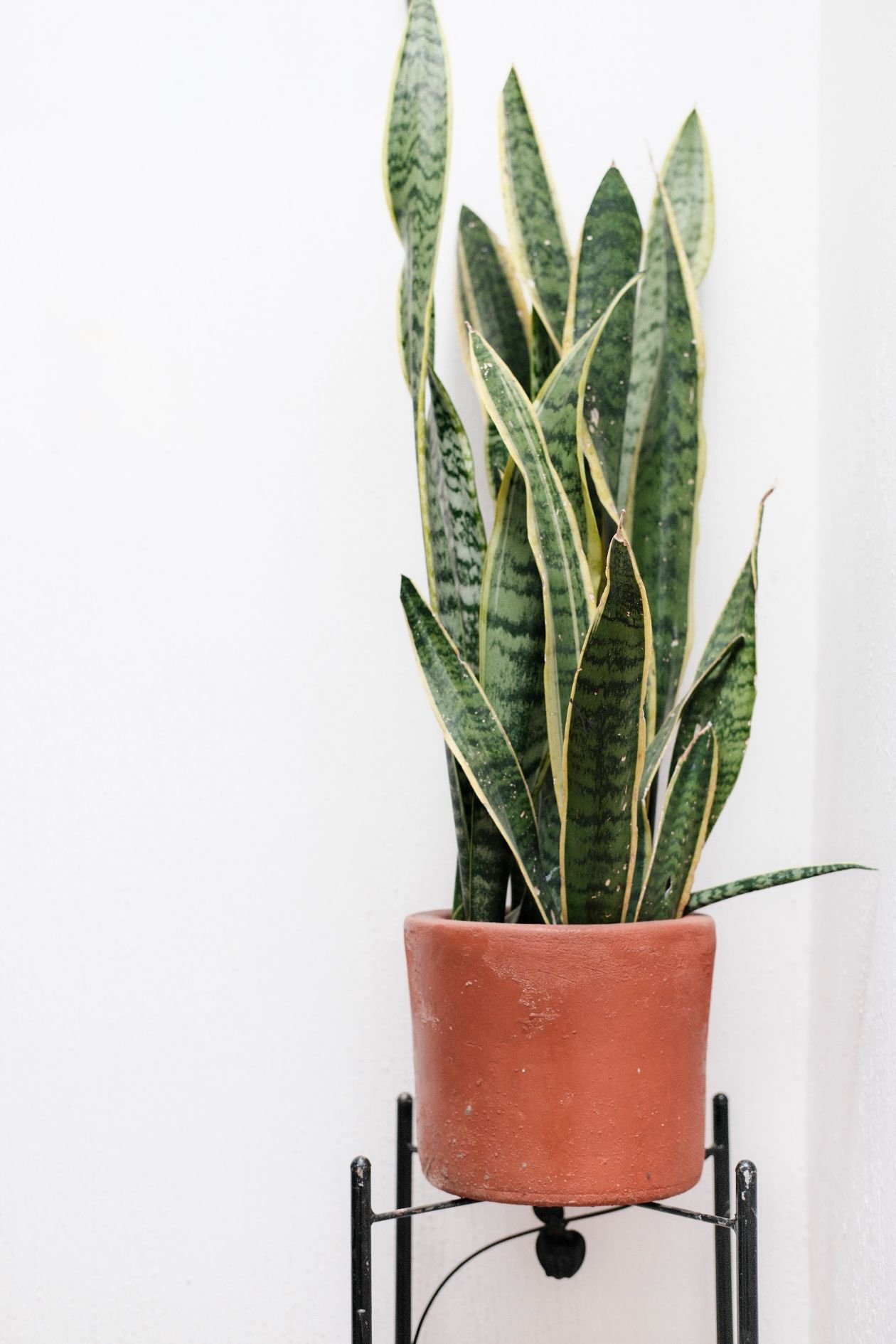
A snake plant is supposed to stand tall and stiff — its sword-like leaves are its whole personality. So when your snake plant leaves are drooping, flopping over, or bending at the base, something is wrong below the surface. The good news: this plant is famously hard to kill, and most drooping snake plants bounce back once you fix the one thing that causes it 90% of the time: water.
Why Are My Snake Plant Leaves Drooping? The Main Causes
1. Overwatering (the #1 killer)
Snake plants are succulents. They store water in their thick leaves and rhizomes, and their roots rot in soggy soil. When the roots rot, they can’t support the leaves — so the leaves go limp, turn yellow, and fall over. If your snake plant leaves are drooping and feel soft or mushy at the base, overwatering is your culprit.
2. Underwatering (much less common)
Yes, it’s possible to underwater a snake plant — it just takes serious neglect. Underwatered leaves don’t flop and turn mushy; they get thin, wrinkled, and papery, sometimes with brown crispy tips. The leaves may also curl inward. If your snake plant leaves are drooping but feel dry and wrinkled rather than soft, give it a deep soak.
3. Root rot has already set in
Root rot is what overwatering turns into. Healthy roots are white and firm; rotted roots are brown or black and mushy, sometimes smelling sour. A plant with rotten roots can’t drink at all — which is why it looks thirsty even in wet soil. This needs the repotting rescue described below.
4. Too little light (the slow cause)
Snake plants tolerate low light, but “tolerate” isn’t “thrive.” In a dark corner, growth weakens over months — new leaves come in thinner and floppier, and eventually the whole plant starts leaning and drooping. The NC State Extension recommends 2–6 hours of direct sun a day, and notes that overwatering plus low light is the classic rot combination.
Mushy vs Wrinkled: Read Your Snake Plant’s Leaves
This is the fastest diagnosis you’ll ever do. Squeeze a drooping leaf gently near its base:
- Mushy, soft, or translucent leaves → too much water. Stop watering immediately and check the roots.
- Thin, wrinkled, papery leaves → too little water. Water deeply until it drains from the bottom.
- Yellow leaves that flop → overwatering. Yellow is the plant giving up on a leaf it can’t support.
- Brown, crispy tips → usually underwatering or very dry air; trim the dead tips with clean scissors.
Still unsure? Our guide on how to tell an overwatered plant from an underwatered one walks through the same test for any houseplant.
How to Fix a Drooping Snake Plant (Step by Step)
Step 1: Stop watering and assess
Move the plant out of its decorative outer pot so air reaches the soil. If the soil is wet, let it dry completely — this alone can take a week or more. Don’t water again until the soil is bone-dry all the way through.
Step 2: Check the roots
Slide the plant out of its pot. If the roots are white and firm, you’re in luck — just repot back into dry mix and adjust your watering habit. If roots are brown, black, or mushy, it’s root-rot rescue time.
Step 3: The root-rot rescue repot
- Trim away all mushy roots and any soft, rotten leaf bases with clean, sharp scissors.
- Let the trimmed rhizome air-dry for a few hours so cuts callus over.
- Repot in fresh, dry cactus or succulent mix — never reuse the old soggy soil.
- Use a pot with drainage holes, only slightly larger than the root ball. Snake plants like being a little snug.
- Wait 3–5 days before the first light watering, so roots settle in.
Step 4: Fix the light
Move the plant to the brightest spot you have — near an east or west window is ideal. Avoid blasting a plant that’s been in darkness straight into harsh afternoon sun; give it a week to adjust.
Step 5: Set a sane watering rhythm
Going forward: water deeply, then wait until the soil is completely dry. Indoors, that’s roughly every 2–3 weeks in summer and every 4–6 weeks in winter. When in doubt, wait another week — a snake plant forgives drought far more easily than a flood.
Can Drooping Snake Plant Leaves Stand Back Up?
Leaves that are only mildly flopped often firm up within 1–2 weeks once watering is corrected. Leaves that are fully mushy at the base won’t recover — trim them off at soil level so the plant puts energy into new growth. New leaves emerge from the rhizome in spring and summer, and a healthy snake plant replaces damaged leaves surprisingly fast.
Preventing Snake Plant Leaves From Drooping Again
- Pot with drainage: no drainage hole = no snake plant. Non-negotiable.
- Gritty soil: cactus mix, or regular potting soil cut 50/50 with perlite or coarse sand.
- Bright light: the brighter the spot, the faster the soil dries and the sturdier the leaves.
- Water the soil, not the rosette: water pooling in the center of the leaf rosette causes rot. Water around the base instead.
- Repot every 2–3 years: fresh soil restores drainage; old compacted soil stays wet too long.
If leaves are also dropping off entirely, read our guide to leaves falling off — and for the general symptom walkthrough, see why plant leaves droop.
FAQs: Snake Plant Leaves Drooping
Why is my snake plant falling over all of a sudden?
Sudden flopping almost always means the roots have rotted from overwatering — the base of the leaves turns soft and can no longer hold them upright. Check the soil: if it’s wet, unpot the plant and inspect the roots for brown mushy sections.
Should I cut off drooping snake plant leaves?
Cut leaves that are mushy, fully yellow, or bent flat at the base — they won’t recover and can spread rot. Use clean scissors and cut at soil level. Leaves that are only leaning but still firm can often stiffen up again once watering is fixed.
How often should I water a snake plant?
There’s no fixed schedule — it depends on light, pot size, and season. As a rough guide: every 2–3 weeks in spring/summer, every 4–6 weeks in fall/winter. Always check that the soil is completely dry first. Underwatering is far safer than overwatering for this plant.
Can a snake plant recover from root rot?
Yes, if any firm white roots or healthy rhizome remain. Trim all rot, let cuts dry, and repot in fresh dry cactus mix. Even a plant reduced to a single healthy rhizome section can regrow. If everything is mush, propagate healthy leaf cuttings instead.
Do snake plants need direct sunlight?
They do best in bright indirect light with a few hours of gentle direct sun. They survive in low light but grow weak and floppy over time. If your only spot is dark, consider a grow light — it makes a bigger difference than any fertilizer.
Leave a Reply