
Overwatered vs Underwatered Plant: How to Tell the Difference
Here’s a cruel trick plants play on us: an overwatered vs underwatered plant can look almost exactly the same. Both droop. Both can develop yellow leaves. Both look miserable. And the fix for one makes the other worse — watering an overwatered plant can kill it, while letting a thirsty plant wait can too. No wonder this is one of the most confusing problems in houseplant care.
This guide gives you a clear, side-by-side comparison — leaf feel, soil test, pot weight, and the root check — so you can diagnose correctly in about a minute, plus exactly how to fix each problem once you know which one you have.
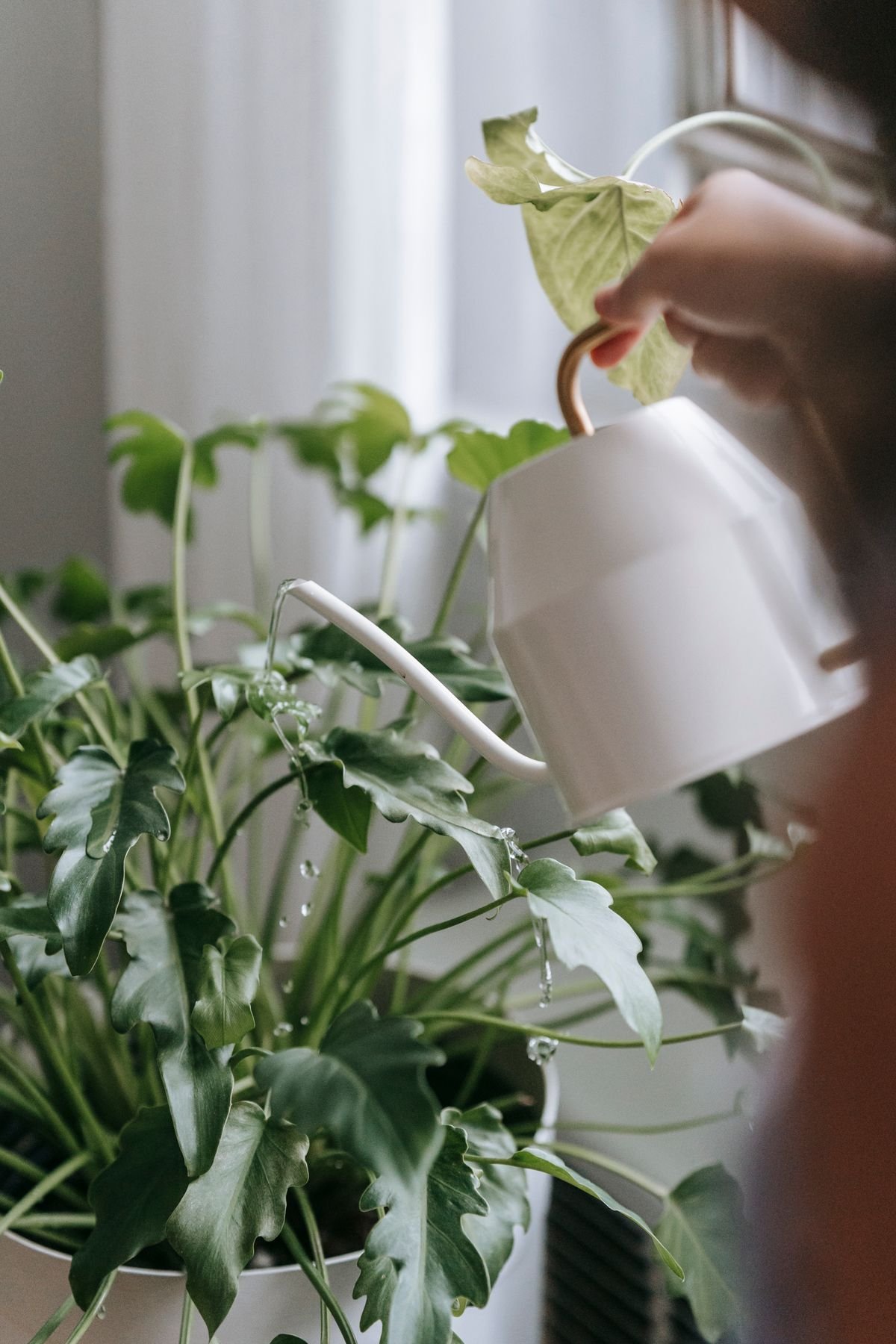
Overwatered vs Underwatered Plant: Side-by-Side Symptoms
Keep this comparison handy — it’s the core of the whole diagnosis:
| Symptom | Underwatered 💧 (needs water) | Overwatered 🌊 (too much water) |
|---|---|---|
| Soil | Bone dry, may pull away from pot edges | Damp or soggy, stays wet for days |
| Leaves feel | Dry, thin, papery, crispy edges | Soft, limp, mushy — not dry |
| Yellowing pattern | Older, lower leaves first; edges brown and crispy | Old and new leaves at once; browning in leaf centers |
| Pot weight | Feels surprisingly light | Feels heavy |
| Smell / surface | No smell; soil may be dusty | Musty/sour smell; mould or algae on soil |
| Recovery test | Perks up within hours of watering | No improvement (or worse) after watering |
| Roots | White/tan, dry, maybe shriveled | Brown/black, soft, mushy, smelly |
The single most useful row is the first one: check the soil before you do anything else. As Clemson University’s extension service puts it, the symptoms of over-watering and under-watering are similar — but the soil tells the truth.
The 4 Tests That Settle It
1. The Finger Test (Most Reliable)
Push your finger about 2 cm (up to the first joint) into the potting mix. This is the method Clemson Extension calls the most accurate gauge: if it feels dry at your fingertip, the plant needs water. If it feels damp, wait. Simple, free, and more reliable than any schedule.
2. The Pot-Weight Test
Lift the pot. A dry pot is noticeably light; a wet one is heavy. Get in the habit of lifting your plant right after watering (that’s “heavy”) and again a few days later — you’ll quickly learn what “needs water” feels like for each plant. This works especially well for small and medium pots.
3. The Soil Color and Tap Tests
Potting mix changes from dark to lighter in color as it dries — a quick visual cue. For clay pots, gently tap the side: a dull thud means moist soil, a hollow ring means it’s dry. (This one only works reliably with unglazed clay pots.)
4. The Root Check (The Decisive One)
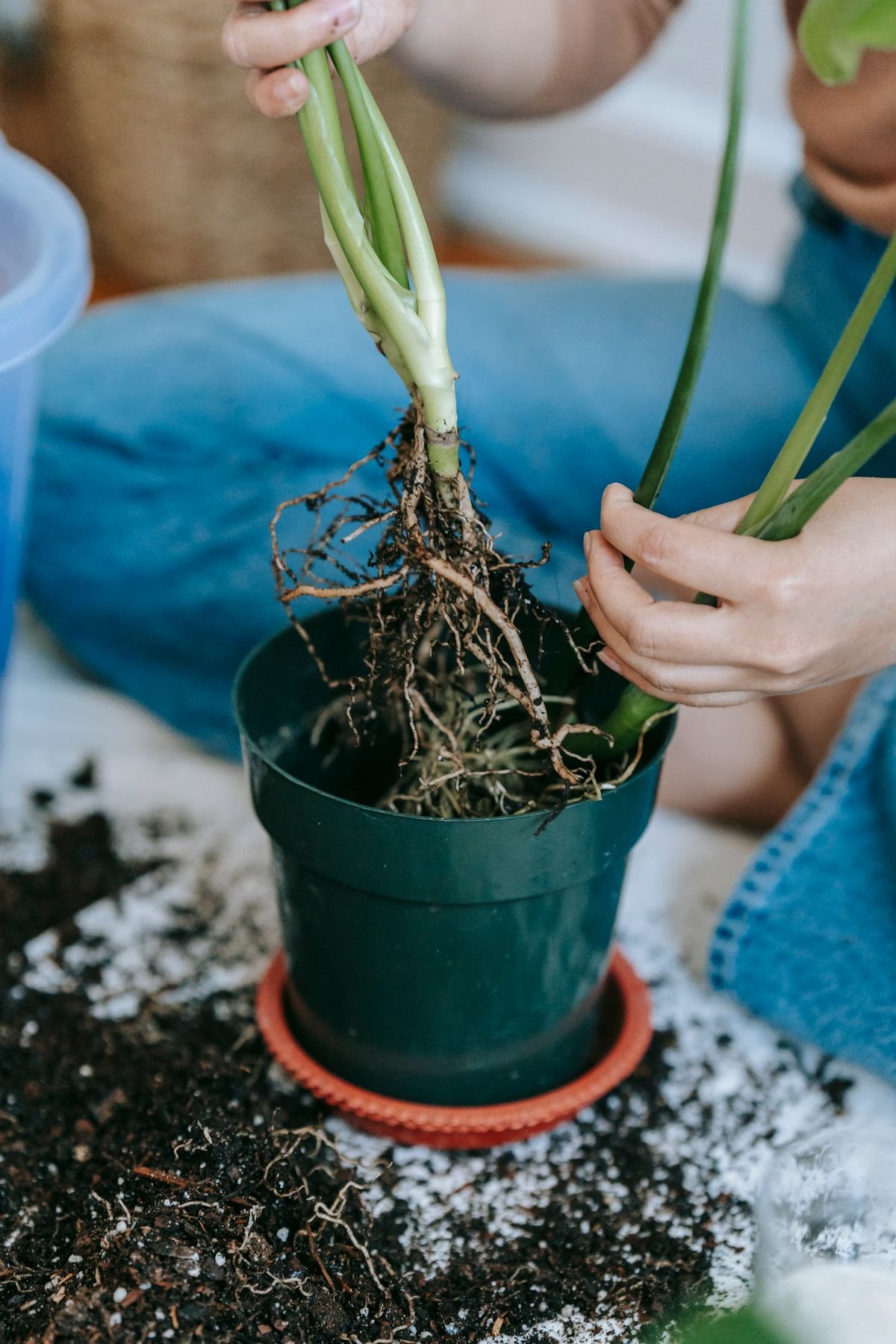
If the above tests disagree or the plant isn’t responding, gently slide it out of its pot and look at the roots. Healthy roots are white or light tan and firm. Brown, black, soft, or smelly roots mean rot from overwatering — and that’s your answer, regardless of what the leaves look like.
How to Fix an Underwatered Plant
Good news: this is the easy one.
- Water thoroughly. Pour slowly until water flows freely from the drainage holes — this ensures the whole root ball gets wet, not just the top.
- Empty the saucer. Don’t let the pot sit in the runoff water.
- For severely dried soil: if water runs straight through without soaking in (the soil has become water-repellent), use the double-watering method — water once, wait half an hour, water again. Or set the pot in a sink of lukewarm water for 15–20 minutes so it soaks from below.
- Expect fast recovery. Most underwatered plants perk up within hours.
- Adjust your routine. Check soil moisture every few days rather than watering on a fixed schedule — needs change with season, light, and growth.
How to Fix an Overwatered Plant
This takes more patience, but most overwatered plants can be saved if you act before the rot spreads too far:
- Stop watering immediately. Let the soil dry out significantly.
- Improve airflow and drainage. Move the plant somewhere with good air circulation; make sure the pot has drainage holes and isn’t sitting in water inside a decorative pot.
- Check the roots. Slide the plant out. Trim any brown, mushy, smelly roots with clean scissors, keeping only firm white/tan ones.
- Repot into fresh, dry mix if the soil is soggy and sour-smelling — don’t put the plant back into the same wet soil.
- Hold off on water for a few days after repotting, then water lightly.
- Don’t fertilize until you see healthy new growth.
Related reading: why plant leaves droop (the thirsty-vs-drowning distinction in depth), why leaves turn yellow, and why leaves turn brown — since both watering problems cause discoloration too.
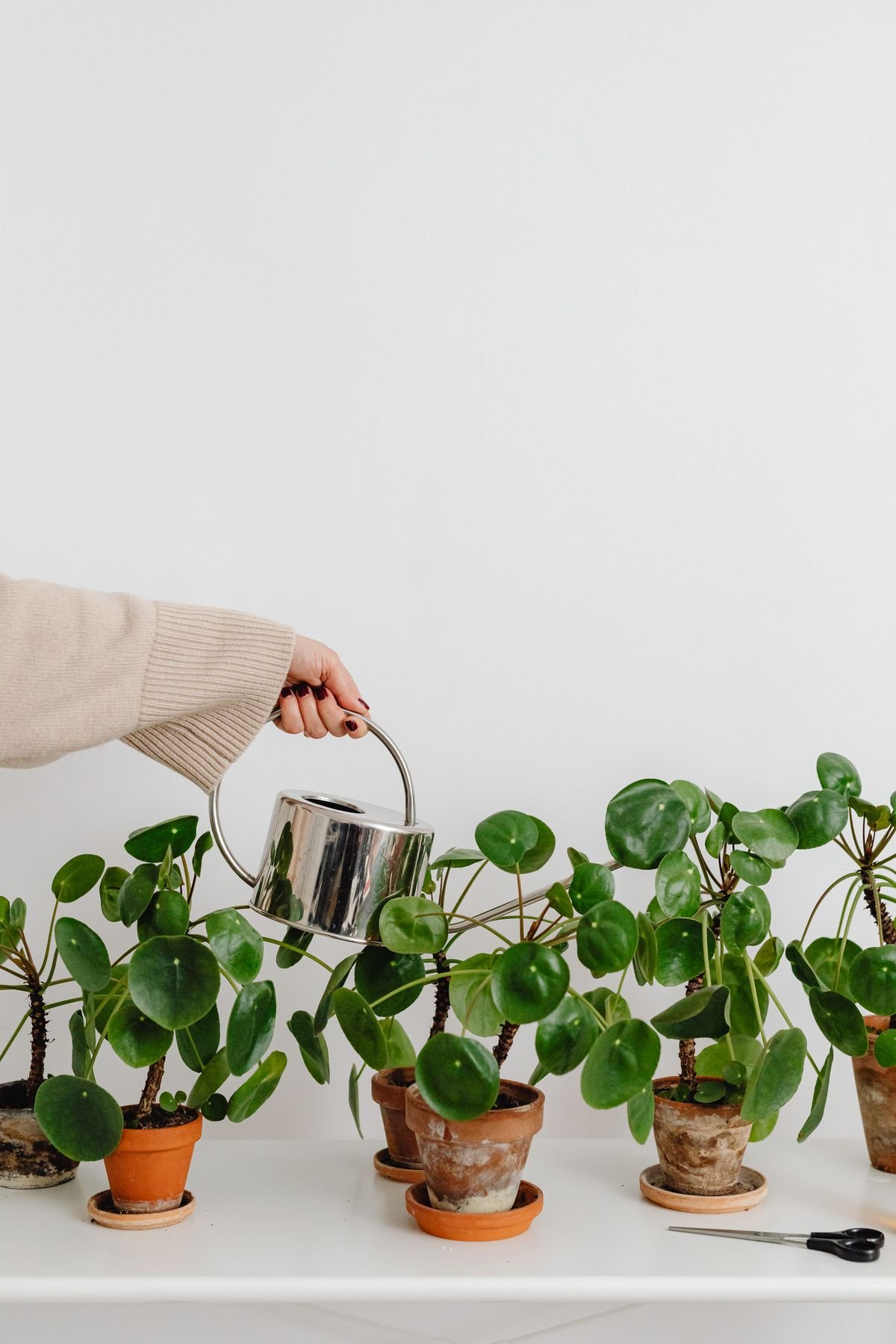
Overwatered vs Underwatered Plant: Prevention Tips for Good
The real goal isn’t just fixing today’s crisis — it’s building a routine where watering problems rarely happen. These five habits cover nearly everything:
- Always use pots with drainage holes. No drainage = water has nowhere to go.
- Use the right soil. A loose, chunky mix (with perlite or bark) drains far better than dense, peaty soil.
- Water on condition, not on schedule. Check the soil; water only when the top 2 cm is dry (succulents: let it dry completely).
- Adjust for seasons. Plants need much less water in winter when growth slows — this is when most overwatering happens.
- Empty saucers and cache pots. Standing water at the base is root rot waiting to happen.
- Learn each plant’s rhythm. A fern in a small clay pot might need water twice a week; a snake plant in a big ceramic pot might go three weeks. The finger test takes five seconds — make it a habit every few days rather than guessing.
The RHS houseplant health guide is an excellent bookmark for this — it walks through the same checks (water, light, temperature, pests) whenever any houseplant looks poorly.
Frequently Asked Questions
Can an overwatered plant recover?
Yes, in most cases — if you catch it before the rot reaches the stem. Stop watering, let the soil dry, and check the roots: trim away anything brown and mushy, then repot into fresh, dry mix. Plants with firm stems and at least some healthy white roots usually recover within a few weeks. If the stem itself is mushy at the base, the chances are much lower.
How long does it take for overwatered soil to dry out?
It depends on pot size, soil type, and airflow — typically 5–14 days indoors. You can speed it up by moving the plant to a spot with good air circulation (not direct hot sun), making sure drainage holes are clear, and tipping out any standing water. If the soil is still soggy after two weeks, repotting into fresh dry mix is faster and safer than waiting.
Why does my plant look underwatered but the soil is wet?
This is the classic overwatering trap: rotted roots can’t absorb water, so the leaves wilt and crisp as if the plant were thirsty — even though the soil is soaked. It’s one of the most common houseplant mistakes. Stop watering, check the roots for rot, and treat it as an overwatering problem, not a thirsty one.
Is it better to underwater or overwater a plant?
Underwater, almost every time. A thirsty plant bounces back within hours of a good drink, while an overwatered plant can develop root rot that’s much harder to fix. As a rule of thumb used by professional growers: when in doubt, wait another day before watering.
How do I know if my plant’s roots are rotted?
Gently slide the plant out of its pot and look: healthy roots are white or light tan and firm; rotted roots are brown or black, soft, mushy, and often smell bad. Trim the rotted parts with clean scissors, repot into fresh dry mix, and hold off watering for a few days. Some healthy roots plus a firm stem means good odds of recovery.
Leave a Reply