
Why Are My Plant Leaves Falling Off? Causes & Fixes
Finding leaves on the floor around your plant is alarming — especially when it happens all at once. If you’re wondering why are my plant leaves falling off, the reassuring news is that most leaf drop is a stress response, not a death sentence. Plants shed leaves to protect themselves when conditions change suddenly, and once you remove the stress, they almost always bounce back.
In this guide, we’ll cover the difference between normal shedding and problem leaf drop, the most common shock triggers (temperature, water, light, and moves), the famously dramatic ficus and poinsettia, and how to tell when leaf loss is actually serious.
Why Are My Plant Leaves Falling Off? Normal Shedding vs. a Problem
First, the good news: some leaf drop is normal. As the RHS points out, it’s normal for the odd lower leaf on a mature plant to yellow and fall — old leaves age out and the plant replaces them. You should only worry when:
- Many leaves are falling in a short time (days, not weeks).
- Young, healthy-looking leaves are dropping — not just old ones at the bottom.
- Leaf drop comes with other symptoms: yellowing, mushy stems, or a sudden wilt.
If just one or two older leaves yellow and drop every few weeks while the rest of the plant looks healthy, that’s just your plant doing routine maintenance. Leave it be.
The Most Common Causes of Sudden Leaf Drop
1. Temperature Shock and Cold Drafts
The number one cause of dramatic, overnight leaf drop is cold. Tropical houseplants hate sudden chills — a cold draft from a window, an air-conditioner blast, or a night near a frosty windowpane can trigger mass leaf shedding within days. The RHS lists blackened leaves, leaf droop, and whole-plant collapse as classic cold-damage symptoms, often seen in unheated rooms over winter.
Fix: move the plant away from drafty windows, doors, and AC vents. Most houseplants are happiest between 18–24°C (65–75°F) and suffer below about 10°C (50°F). If curtains are drawn on cold nights, don’t trap the plant between the curtain and the cold glass.
2. Overwatering
Soggy soil suffocates roots, and one of the plant’s first responses is to shed leaves — often both old and new leaves yellowing and dropping at the same time (a telltale overwatering sign). If the soil is wet and leaves are falling, stop watering, let the soil dry, and check the roots for rot. Our guide to overwatered vs underwatered plants walks through the full diagnosis.
3. A Sudden Drop in Light
Plants adjust their leaf count to match available light. Move a plant from a bright spot to a dark corner and it will shed the leaves it can no longer support. This is normal adaptation, not disease — but avoid the shock in the first place by moving plants gradually, or accept some shedding and let the plant settle. Weak, spindly new growth plus falling lower leaves is the classic low-light pattern.
4. The Plant Was Moved
Some plants — ficus species most famously — hate being relocated. Even moving a plant across the room, rotating it, or bringing it home from the shop can trigger a protest drop. The plant isn’t dying; it’s recalibrating to new light, humidity, and airflow. Keep conditions stable, resist the urge to “fix” it by moving it again, and new leaves will follow in a few weeks.
5. Low Humidity and Dry Air
Dry indoor air — especially with winter heating — causes leaf edges to brown and crisp, followed by early leaf drop. The RHS notes that low humidity leads to shrivelled leaves with brown tips plus early dropping of leaves, buds, and flowers. Group plants together, use a pebble tray, and keep plants away from radiators.
6. Natural Dormancy or Seasonal Change
Some plants naturally drop leaves as seasons change or light levels fall in winter. If the drop is gradual, affects mainly older leaves, and the stems stay firm and healthy, it’s likely seasonal. Reduce watering slightly (the plant needs less while resting) and wait for spring growth.
Ficus and Poinsettia: The Drama Queens of Leaf Drop
Two plants deserve special mention because their leaf drop panics more owners than any others:
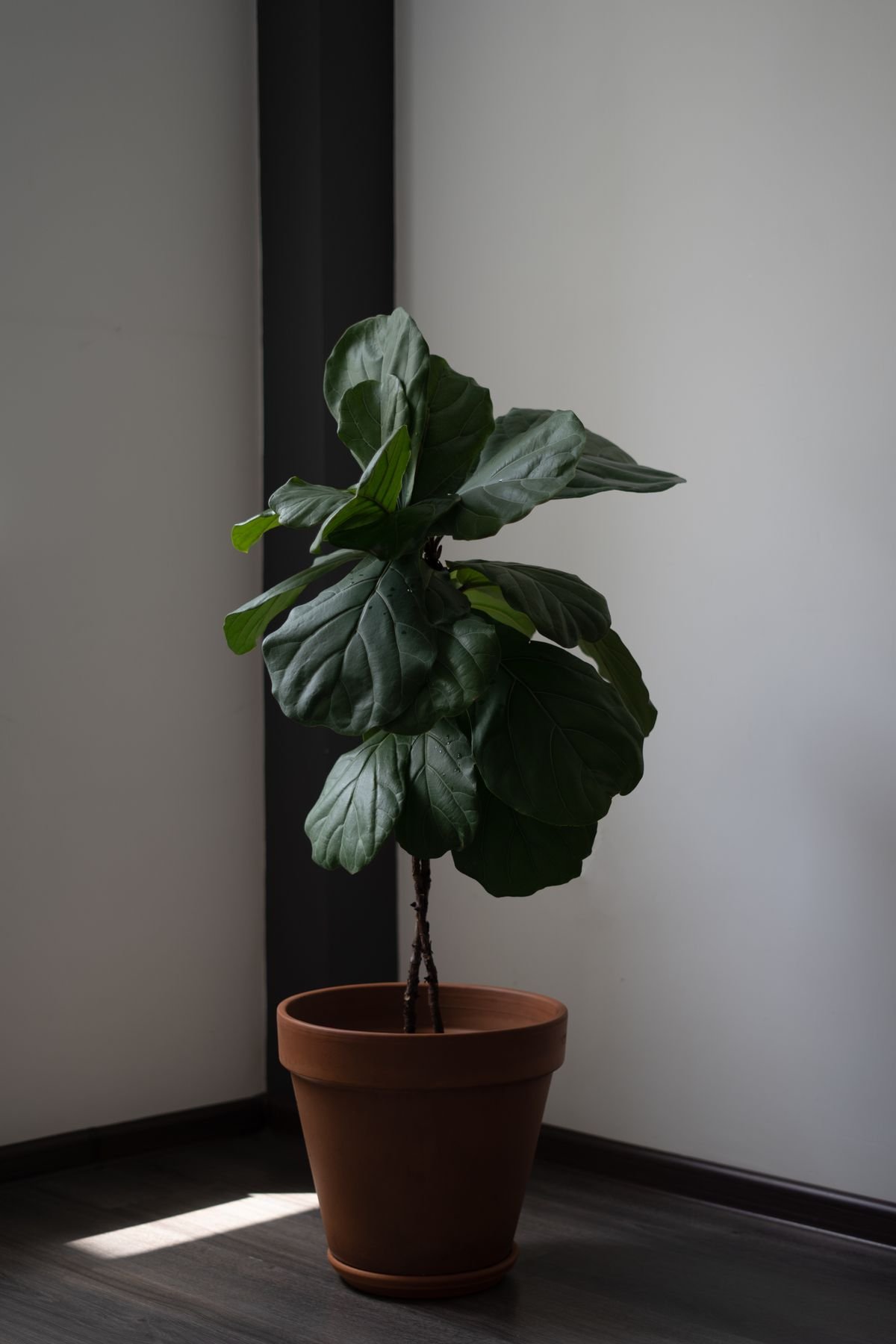
Fiddle-leaf figs and other ficus are notorious for shedding leaves at the slightest change — a new home, a rotated pot, a draft, a missed watering. The golden rule with ficus: pick a bright spot with no drafts, then don’t move it. Consistency matters more than perfection. Dropped leaves will regrow once the plant trusts its spot again.
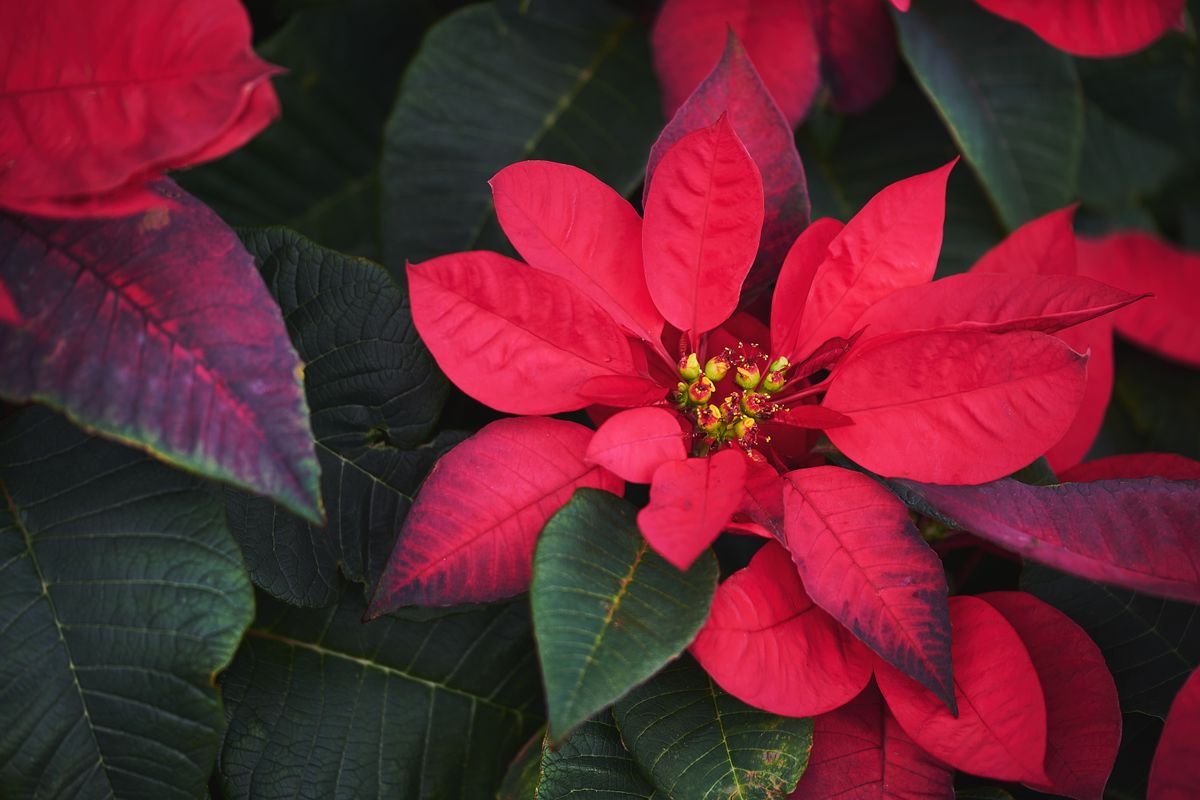
Poinsettias drop leaves after the holidays because they’ve been through a lot: forced blooming, transport, dry heated homes, and often too-small pots. After the colorful bracts fade, cut the plant back, keep it in bright indirect light, water when the top inch dries, and it can rebloom next season with proper care.

Why Are My Plant Leaves Falling Off in Large Numbers? When to Worry
Most leaf drop is fixable, but call it serious if you see these red flags:
- Mushy stems or a foul smell — advanced root rot; unpot and inspect roots immediately.
- Every leaf dropping within days with no recovery after two weeks of corrected care.
- Stems turning black or brown and soft from the base upward.
If the stems are still firm and green (scratch a tiny bit of bark — green underneath means alive), the plant can recover. Even a plant that drops all its leaves can come back from healthy stems. For the full rescue process, see how to revive a dying plant.
Plant-Specific Leaf Drop Guides
- Snake plant leaves drooping and falling — leaf drop in snake plants almost always means overwatering.
- Jade plant leaves falling off — plump leaves dropping with the slightest touch is the classic jade distress signal.
More on diagnosing leaf symptoms: the RHS guide to leaf damage on houseplants covers browning, spotting, and leaf fall with control advice for each.
Frequently Asked Questions
Why are my plant leaves falling off after turning yellow?
Yellow-then-falling is the plant reclaiming nutrients from an old or struggling leaf before letting it go. If it’s just older, lower leaves, that’s normal aging. But if many leaves yellow and fall quickly — especially young ones too — it usually means overwatering (check for soggy soil) or a sudden light drop. Fix the underlying cause and the shedding will stop.
How many lost leaves are normal?
Losing one or two older leaves every few weeks is completely normal for a healthy houseplant — that’s just turnover. Losing a handful within days, or losing young healthy leaves, is not normal and signals stress. As a rough rule: if your plant is losing leaves faster than it’s growing new ones over several weeks, investigate.
Why is my ficus dropping all its leaves?
Ficus plants (including fiddle-leaf figs) are extremely sensitive to change — moving the pot, drafts, repotting, or even rotating it can trigger mass leaf drop. It’s a stress response, not death. Put it in a bright, draft-free spot, keep watering consistent, and don’t move it again. New leaves typically appear within a few weeks once it settles.
Will leaves grow back after falling off?
Yes, in most cases — as long as the stems are still alive (firm and green under the bark). Plants constantly grow new leaves from stem nodes and growing tips. Keep caring for the bare stems normally: right light, careful watering, no fertilizer until you see new growth. A leafless but living plant in spring can leaf out surprisingly fast.
Should I remove yellow leaves before they fall?
You can, and it’s usually a good idea — a fully yellow leaf won’t turn green again, and removing it lets the plant redirect energy to healthy growth. Snip it off with clean scissors near the stem. But don’t strip a stressed plant bare: if many leaves are yellowing, fix the cause first (usually water or light) and remove only the fully dead ones.
Leave a Reply