
Why Are My Plant Leaves Turning Brown? Causes & Fixes
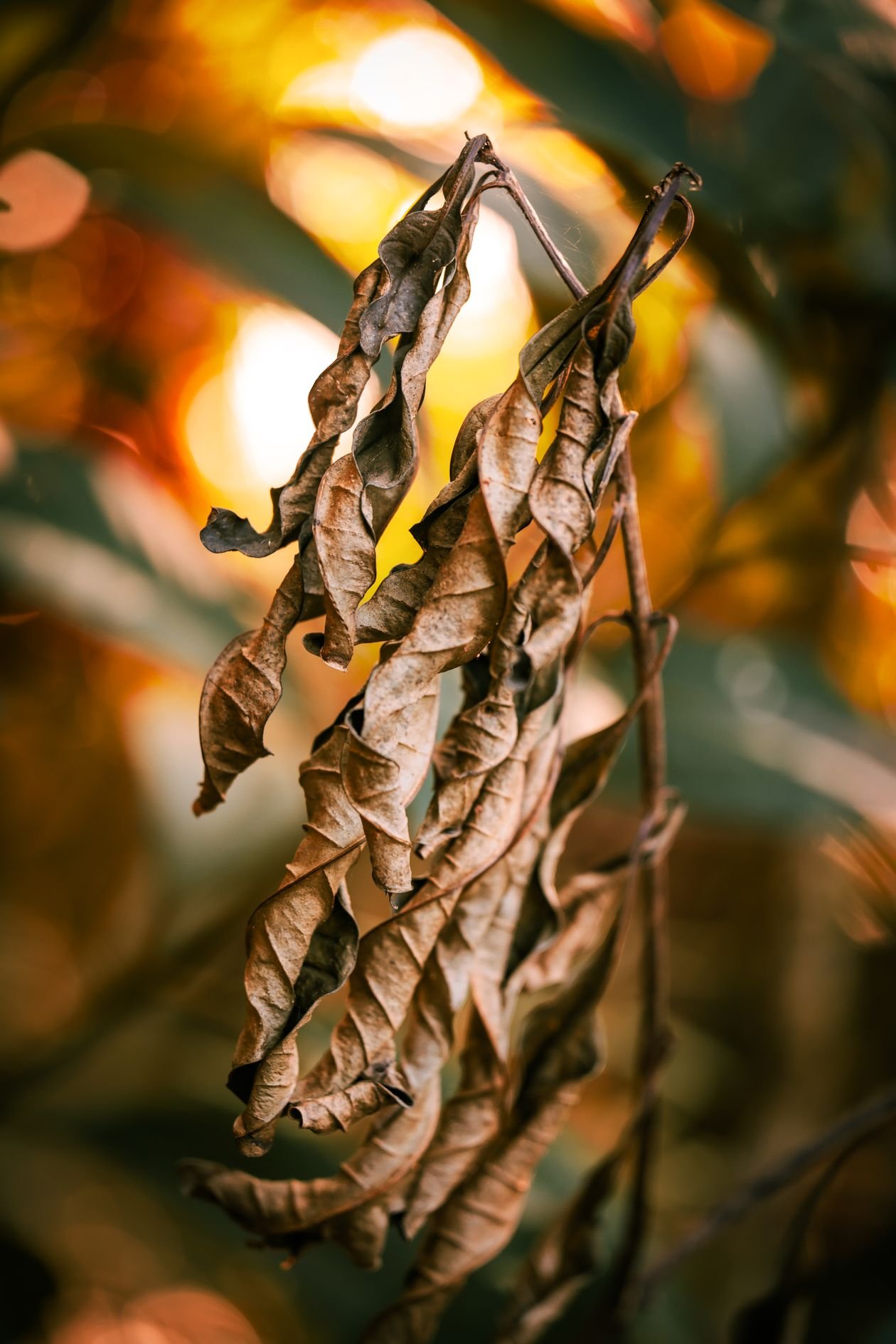
Asking why are my plant leaves turning brown is the second-most common plant emergency after yellowing — and it’s just as fixable. Brown can mean many things: thirsty roots, scorched leaves, dry air, too much fertilizer, or a fungal infection. The color and pattern are your clues, and once you learn to read them, the fix is usually simple.
In this guide, you’ll learn how to tell brown edges from brown spots, the six causes behind them, what to do about black, white, and transparent leaves, and a recovery plan that gets your plant growing again.
Brown Edges vs Brown Spots: Read the Pattern First
Before jumping to fixes, look closely at where and how the brown appears — it narrows the cause instantly:
- Brown, crispy edges and tips → usually underwatering, low humidity, or fertilizer salt buildup.
- Brown patches in the middle of leaves → often sunburn or overwatering damage.
- Brown spots with yellow halos → likely a fungal leaf spot.
- Whole leaves turning brown and mushy → overwatering or cold damage.
- Brown starting at the base and spreading up → possible root rot — check the roots.
The 6 Causes of Brown Leaves on Plants
1. Underwatering — crispy brown edges
The classic cause. When a plant goes thirsty, the leaf edges and tips dry out first because they’re farthest from the water supply. Leaves feel papery, edges turn brown and crumble, and the plant droops. You may also see some yellowing leaves before they brown.
The fix: Water deeply until it drains from the bottom, then empty the saucer. If the soil has shrunk away from the pot edges, soak the whole pot in room-temperature water for 20–30 minutes. Going forward, check the soil with your finger — water when the top few centimetres feel dry, not on a fixed schedule.
2. Sunburn — brown or bleached patches
Too much direct sun scorches leaves, leaving dry brown or pale bleached patches, often on the side facing the window. This is common when a shade-loving plant (like a calathea or fern) is moved into a sunny spot, or when any indoor plant is put outside in summer without acclimating.
The fix: Move the plant to bright, indirect light. Scorched patches won’t heal — trim the worst leaves and let new growth come through. Introduce plants to stronger light gradually over 1–2 weeks (“hardening off”). The RHS notes that strong direct sun through a south-facing window is a classic cause of brown scorched patches (RHS: How to Help a Poorly Houseplant).
3. Low humidity — brown tips
Dry indoor air is the top suspect when leaf tips and edges turn brown while the rest of the leaf looks fine. Heating in winter makes it worse. Tropical plants like spider plants, dracaenas, calatheas, and palms are especially sensitive.
The fix: Raise humidity by grouping plants together, setting pots on a tray of damp pebbles, or running a small humidifier nearby. Misting gives only minutes of relief, so don’t rely on it. Iowa State University Extension calls low humidity the most likely cause of brown leaf tips and recommends a humidifier or pebble tray (Iowa State Extension: brown leaf tips and edges).
4. Fertilizer burn and salt buildup
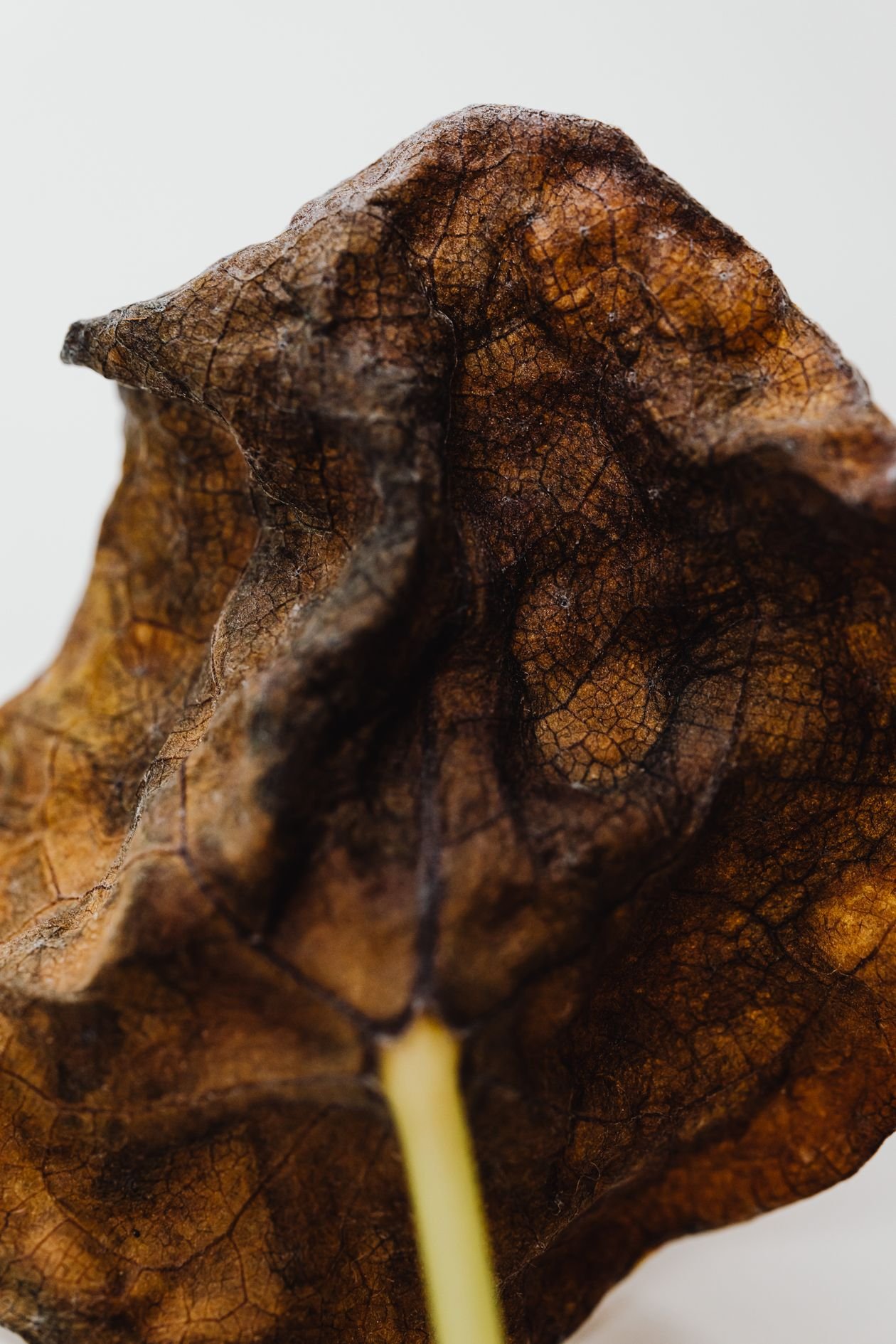
Too much fertilizer leaves excess salts in the soil, which pull water out of the roots — the result looks like drought: brown tips and edges, sometimes with a white crust on the soil surface. Hard tap water adds to the salt load over time.
The fix: Flush the soil by running clean, room-temperature water through the pot for several minutes until it drains freely — this washes out accumulated salts. Then fertilize at half the label strength and only during the growing season. If you see white crust on the soil, scrape it off and top up with fresh mix.
5. Fungal leaf spots
If the brown appears as distinct spots — often circular, sometimes with yellow halos or dark borders — a fungal infection is likely. It spreads in damp, still air and on leaves that stay wet (from misting or overhead watering).
The fix: Remove affected leaves with clean scissors (don’t compost them), improve air circulation, and stop wetting the foliage — water the soil, not the leaves. Space plants out so air moves between them. Most mild cases clear up once conditions improve; the Iowa State Extension’s houseplant problem diagnosis guide is a good reference for confirming fungal issues.
6. Cold damage
A sudden chill — a plant left by a drafty window overnight, or too close to an air conditioner — can turn leaves brown or black within a day or two. The damage often shows on the side facing the cold source, and affected tissue feels soft or water-soaked before drying out.
The fix: Move the plant to a stable, warm spot away from drafts. Trim leaves that are fully brown or black; leave anything still partly green. Don’t fertilize until you see new growth — the plant needs to recover first.
What About Black, White, or Transparent Leaves?
Brown isn’t the only alarming color. Here’s what the others mean:
- Black leaves: usually severe cold damage or advanced rot. Black, mushy tissue is dead — trim it off and check the roots and stems for firmness. If the stem is still firm and green underneath, the plant can recover.
- White or bleached leaves: almost always too much direct sun (sun-bleaching) or, less commonly, a harsh chemical spray. Move the plant out of direct sun; new leaves will come in normal color.
- Transparent or water-soaked leaves: the classic sign of overwatering or cold damage — cells have burst from too much water. Let the soil dry out completely and move the plant somewhere warmer. If it spreads, check for root rot.
- Light green or pale leaves: this is early-stage yellowing, not browning — usually low light or the start of a nutrient deficiency. See our guide to why plant leaves turn yellow.
How to Fix Brown Leaves: Your Recovery Plan
- Diagnose first using the pattern guide above. Edges = water/humidity/salts; patches = sun; spots with halos = fungus; mushy = too much water or cold.
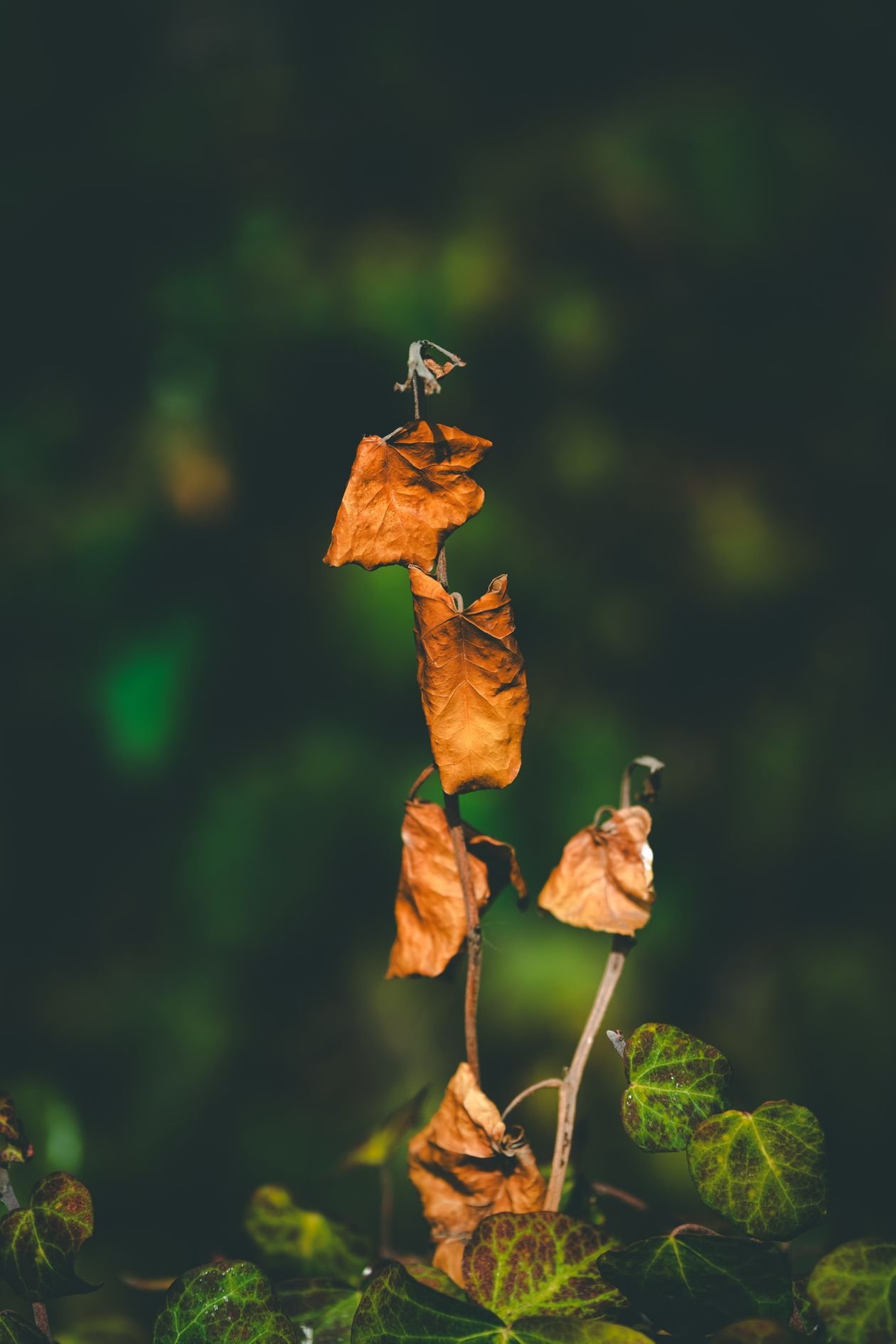
- Trim the dead tissue. Brown, crispy parts won’t recover. Cut them off with clean scissors, following the natural shape of the leaf — and keep any green part, since it’s still feeding the plant.
- Fix the environment. Adjust watering, move the plant to suitable light, raise humidity, or flush out fertilizer salts — whichever matches your diagnosis.
- Watch the new growth. Fresh leaves emerging green and healthy within 2–4 weeks mean you’ve nailed it. Old damage stays as a scar; that’s normal.
- Don’t overcorrect. A plant stressed by underwatering doesn’t need a flood — resume normal, soil-checked watering instead.
If several problems are hitting at once — browning plus curling leaves, for instance — tackle the water issue first, since it’s the most common root cause.
Stop Brown Leaves Before They Start
- Water when the soil tells you to, not when the calendar does.
- Keep tropical plants above 40% humidity, especially in winter.
- Give new plants a gradual introduction to brighter spots.
- Fertilize lightly and only in the growing season; flush salts yearly.
- Keep plants away from cold drafts, heaters, and air-conditioner blasts.
- Water the soil, not the leaves, to discourage fungal spots.
Some plants brown more easily than others — rubber plants, for example, are notorious for browning at the slightest draft. And if your monstera’s leaves are yellowing with brown spots, that guide covers its specific quirks.
Plants That Brown Easily (and What They Need)
Some houseplants are simply more dramatic about browning than others. If you own one of these, the general advice above still applies — but with these extras:
- Spider plant: the classic brown-tipper. Extremely sensitive to fluoride and chlorine in tap water. Switch to filtered or rainwater and the browning usually stops within weeks.
- Dracaena: same water sensitivity as spider plants, plus it hates cold drafts. Brown tips that keep returning despite good watering almost always mean the water or a nearby draft.
- Calathea and prayer plant: humidity divas. Below 50% humidity, their edges brown almost guaranteed. A pebble tray or humidifier isn’t optional for these — it’s required.
- Palms (parlor palm, areca): brown fronds are often just old age — lower fronds naturally brown and can be trimmed. But brown tips on new fronds mean dry air or underwatering.
- Ferns: need consistently moist (not soggy) soil and high humidity. Let a fern dry out once and the fronds brown irreversibly — though the plant usually regrows from the base.
When you buy a new plant, a quick search for its specific sensitivities takes two minutes and can save you months of brown-tip frustration.
Brown Leaves After Repotting or Moving
If browning started within a week or two of repotting or moving the plant to a new spot, it’s likely transplant or relocation stress — not a care mistake. Roots get disturbed during repotting, and a sudden change in light, temperature, or humidity shocks the foliage. The plant sacrifices a few leaves while it adjusts.
What to do: keep conditions stable and don’t try to “fix” it with extra water or fertilizer — both make shock worse. Water normally, keep the plant out of direct sun for a week, and wait. New growth within 3–4 weeks means it has settled in. If browning spreads to new leaves after a month, then treat it as an ongoing care issue using the diagnosis guide above.
How Long Does Recovery Take?
Set realistic expectations: brown tissue never heals, so you’re waiting on new growth, not a color change in old leaves. Most houseplants push out their first healthy new leaf 2–4 weeks after the cause is fixed, and look full again in 2–3 months. Fast growers (pothos, spider plant) bounce back quicker; slow growers (ZZ plant, snake plant) take longer — that’s normal, not a sign the fix failed.
The clearest sign you’re on the right track: the browning stops spreading. No new brown edges on fresh leaves means the problem is solved, even if the plant still looks a bit rough while it regrows.
FAQs: Why Are My Plant Leaves Turning Brown?
What’s the difference between brown edges and brown spots?
Brown edges and tips are almost always environmental — underwatering, low humidity, or fertilizer salt buildup. Brown spots are different: distinct circular spots, especially with yellow halos, usually mean a fungal leaf spot or sunburn. Edges = care routine; spots = disease or light damage. Treat them accordingly.
Can brown leaves recover and turn green again?
No — brown, crispy tissue is dead and won’t turn green again. But the plant itself absolutely can recover. Trim the dead parts, fix the cause, and healthy new growth will replace the damaged leaves within a few weeks.
Should I cut off brown leaves?
Trim leaves that are fully brown or mostly dead, using clean scissors. But if a leaf is only brown at the tip or edge and mostly green, just trim the brown part following the leaf’s natural shape — the green portion is still photosynthesizing and helping the plant recover.
Why are my plant leaves turning black?
Black leaves usually mean severe cold damage or advanced rot from overwatering. The tissue is dead — cut it away and check whether the stem underneath is still firm and green. If it is, the plant can regrow. If the stem is black and mushy too, the damage may be fatal, though you can still try propagating any healthy cuttings.
What causes white or bleached leaves?
White, bleached patches are almost always sunburn — too much direct sunlight bleaching the chlorophyll out of the leaf. Move the plant to bright, indirect light. Less commonly, harsh chemical sprays can bleach leaves, so avoid spraying anything on foliage in direct sun.
Why are my plant leaves turning transparent?
Transparent, water-soaked leaves mean the leaf cells have burst — the classic sign of overwatering or sudden cold exposure. Stop watering, let the soil dry out completely, and move the plant somewhere warm and stable. If the whole plant is going transparent and mushy, check the roots for rot immediately.
Leave a Reply