
Pepper Plant Leaves Drooping or Falling Off? Fix It
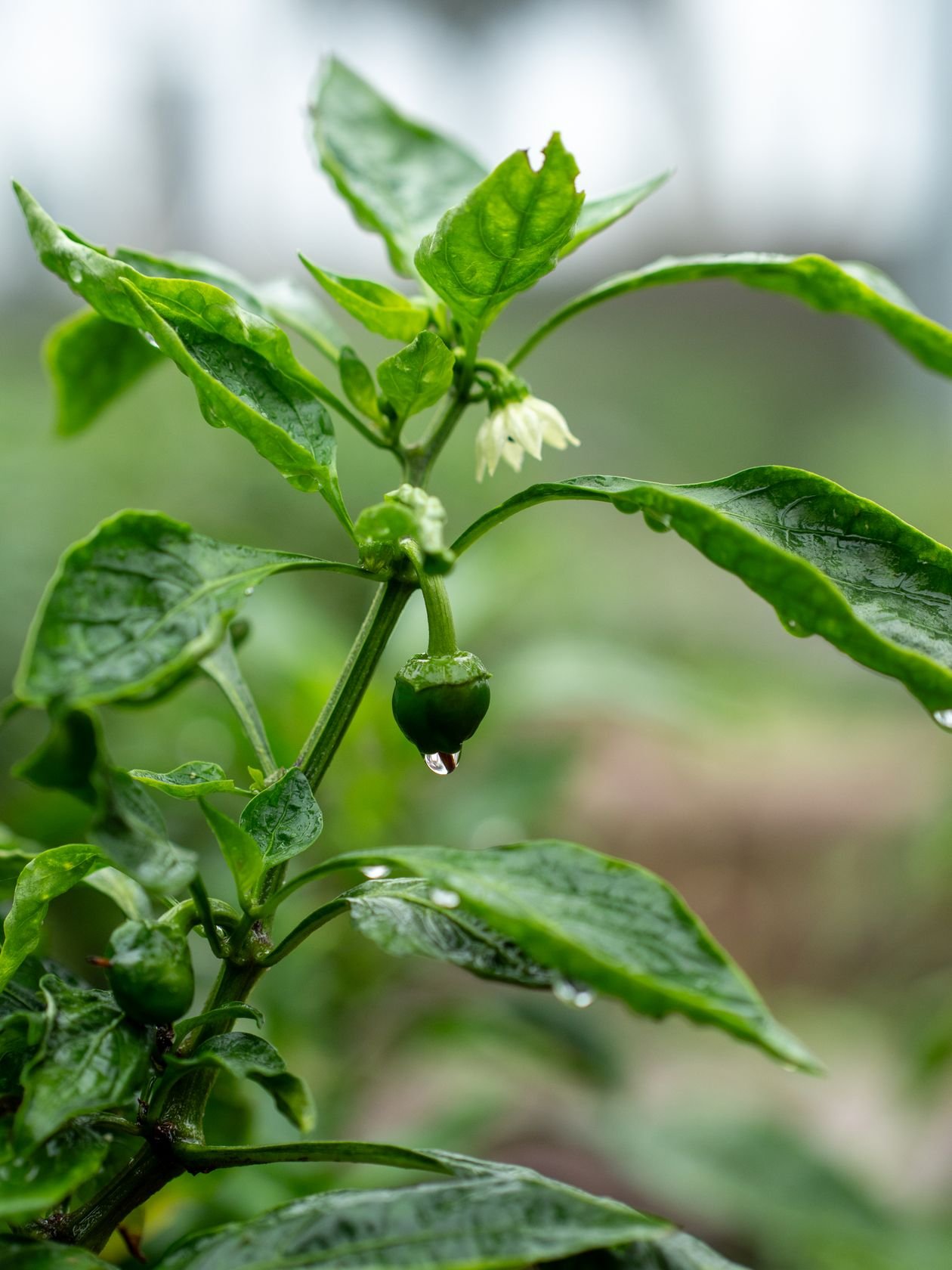
Peppers — sweet bell peppers, hot chillies, jalapeños, all Capsicum — are tougher than they look, but they complain loudly. Pepper plant leaves drooping by afternoon, leaves dropping after transplanting, buds falling before they open: it’s all the plant negotiating with its environment. Here’s how to read each complaint and respond correctly.
Pepper Plant Leaves Drooping: The Water Test
Underwatering (the common one)
Peppers wilt fast when thirsty, especially in containers and hot weather. The good news: underwatered pepper leaves recover within hours of a deep watering. If your pepper plant leaves are drooping and the soil is dry, water deeply at the base right away — this is the easiest fix in gardening.
Overwatering (the sneaky one)
Peppers hate wet feet. In waterlogged soil, roots suffocate and the plant droops despite wet soil — exactly like underwatering, which is why people “fix” it by watering more and make it worse. If the soil is damp and the plant is limp, stop watering and let it dry out. Our overwatered vs underwatered guide walks through the finger test.
Heat wilt (afternoon only)
Like tomatoes, peppers droop in afternoon heat and recover by evening. Consistent soil moisture and mulch reduce it. Only worry if the wilt persists into the cool morning — that means real thirst or root trouble. See also our general drooping leaves guide.
Pepper Plant Leaves Falling Off
Transplant shock
The #1 cause of sudden leaf drop in peppers. After transplanting, peppers often shed lower leaves for 5–10 days while roots establish. Water them in well, give light afternoon shade for a few days, and don’t fertilize until new growth appears. It looks alarming but is almost always temporary.
Temperature swings
Peppers are warm-season plants with a narrow comfort zone. Cold nights below 55°F (13°C) or sudden moves from indoors to outdoors trigger leaf drop. Harden seedlings off gradually — a few hours of outdoor time, increasing daily over 7–10 days.
Overwatering and root stress
Chronic wet soil doesn’t just cause drooping — leaves eventually yellow and fall. Peppers in heavy, compacted, or poorly draining soil are especially vulnerable. If leaf drop comes with yellowing, check your drainage before anything else.
Pests: aphids, spider mites, whiteflies
Sap-sucking pests weaken leaves until they curl, yellow, and drop. Check leaf undersides and growing tips — aphids cluster on new growth, spider mites leave fine webbing and stippled dots. A strong jet of water knocks most off; follow up with insecticidal soap or neem oil for heavy infestations.
Disease (when to worry)
If drooping comes with yellowing on one side, leaf edges rolling inward, and stunting, suspect verticillium wilt — UC IPM’s pepper verticillium guide describes exactly these symptoms. There’s no cure; remove affected plants. Similarly, downward-cupped, puckered leaves with stunting point to curly top virus, spread by leafhoppers.
For the general pattern, see why plant leaves fall off.
Blossom and Bud Drop: The Related Complaint
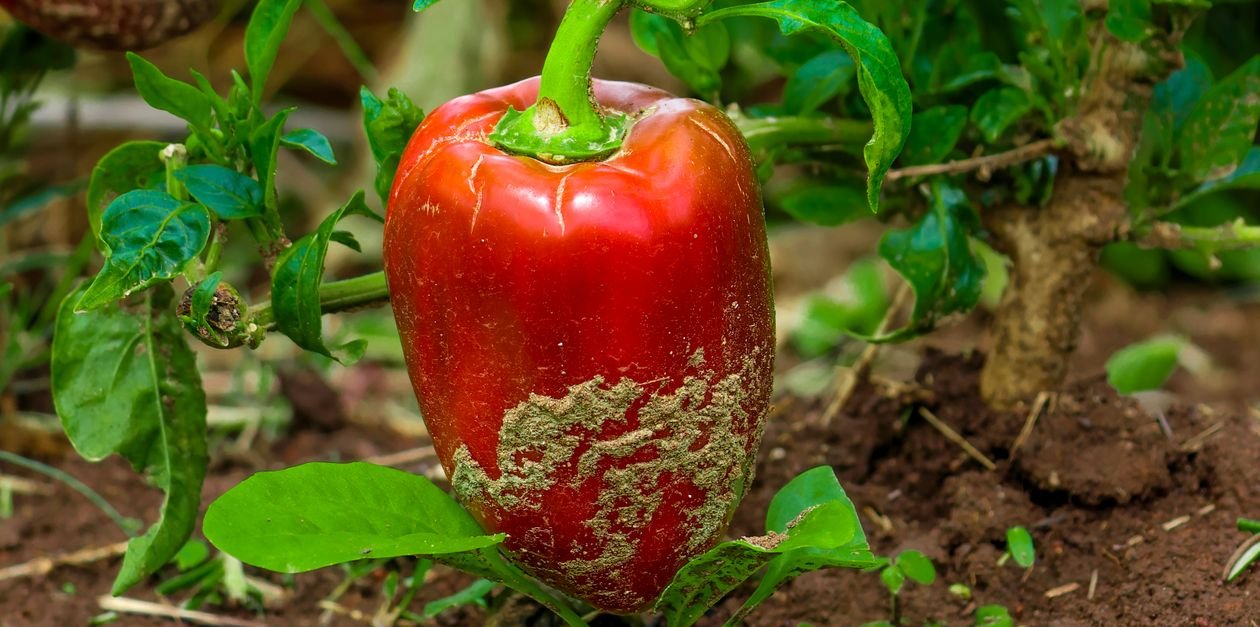
Pepper growers often see flowers and tiny fruits drop even when leaves look fine. The usual causes:
- Heat: sustained days above 90°F (32°C) or nights above 75°F (24°C) cause blossom drop.
- Inconsistent water: the same swings that cause leaf problems abort flowers too.
- Too much nitrogen: lush leafy growth with no fruit means cut back on high-nitrogen fertilizer.
- Poor pollination: gently shake flowering plants midday to release pollen.
Pepper Watering Rhythm That Works
- Water deeply and less often rather than a daily sprinkle — this trains deep roots.
- Keep soil evenly moist, never soggy. Containers may need daily water in summer heat.
- Mulch with 2–3 inches of straw to even out moisture and cool roots.
- Water at the base in the morning; wet foliage overnight invites disease.
- Reduce watering as fruits ripen — slight stress concentrates flavor and reduces cracking.
Chillies & Jalapeños: Same Family, Small Differences
Everything in this guide applies to chilli and jalapeño plants — they’re all Capsicum, and they droop and drop leaves for the same reasons as bell peppers. A few variety-specific notes:
- Hot varieties are more cold-sensitive. Jalapeños and chillies sulk below 55°F (13°C) while bells tolerate a bit more chill. They’re the first to drop leaves in a cold snap.
- Chillies drink slightly less. Many hot varieties (especially Thai and bird’s eye types) prefer a touch drier soil than big bells — let them dry a little deeper between waterings.
- Heat stress hits harder. In extreme heat, hot peppers may drop flowers and leaves while bells just wilt. Afternoon shade cloth helps both.
- Overwintering: chillies are perennials in warm climates. Before first frost, prune back to a third, bring indoors to a bright cool spot, water sparingly — and you’ll get a head start next spring.
Staking Floppy Pepper Plants
A pepper loaded with fruit often flops over from sheer weight — that’s not a health problem, it’s physics. But a flopped plant stresses stems and invites disease where foliage touches damp soil. Stake early, not after the collapse:
- Push a sturdy stake or tomato cage in at planting time to avoid damaging roots later.
- Tie main stems loosely with soft twine or plant Velcro — tight ties cut into growing stems.
- For heavy producers, a Florida weave (twine woven between two rows of stakes) supports a whole row cheaply.
- Prune the lowest leaves touching the soil — this alone prevents most soil-borne disease.
Note the difference: a plant that wilts needs water; a plant that simply leans under fruit weight needs support. Fix the right problem. And once staked, keep up the deep-watering routine — a supported plant with dry roots will still drop its leaves.
FAQs: Pepper Plant Leaves Drooping or Falling Off
Why are my pepper plant leaves drooping in the afternoon?
Afternoon drooping that recovers by evening is normal heat response — the plant reduces leaf surface to conserve water. Mulch and consistent morning watering minimize it. Only investigate further if the wilt is still there in the cool morning.
Is it normal for pepper plants to drop leaves after transplanting?
Yes — transplant shock causes lower-leaf drop for 5–10 days while roots establish. Keep soil evenly moist, provide light shade for a few days, and don’t fertilize yet. If the growing tip stays green and firm, the plant will recover.
Why are my chilli plant leaves falling off?
Chillies are peppers, so the same causes apply: transplant shock, overwatering, cold nights, or pests. Jalapeños and other hot varieties are slightly more cold-sensitive than bells — nights below 55°F (13°C) hit them first.
How do I tell if my pepper is overwatered or underwatered?
Check the soil 2 inches down: dry + wilted = thirsty (water now, recovery in hours); damp + wilted = overwatered (stop watering, improve drainage). Yellow lower leaves point to too much water; crispy brown edges point to too little.
Can aphids cause pepper leaves to fall off?
Yes. Heavy aphid feeding weakens leaves, causes curling and yellowing, and the damaged leaves eventually drop. Check new growth and leaf undersides for clusters of small soft-bodied insects. A strong water spray plus insecticidal soap usually clears them.
Leave a Reply