
Tomato Plant Leaves Drooping or Curling? Causes & Fixes
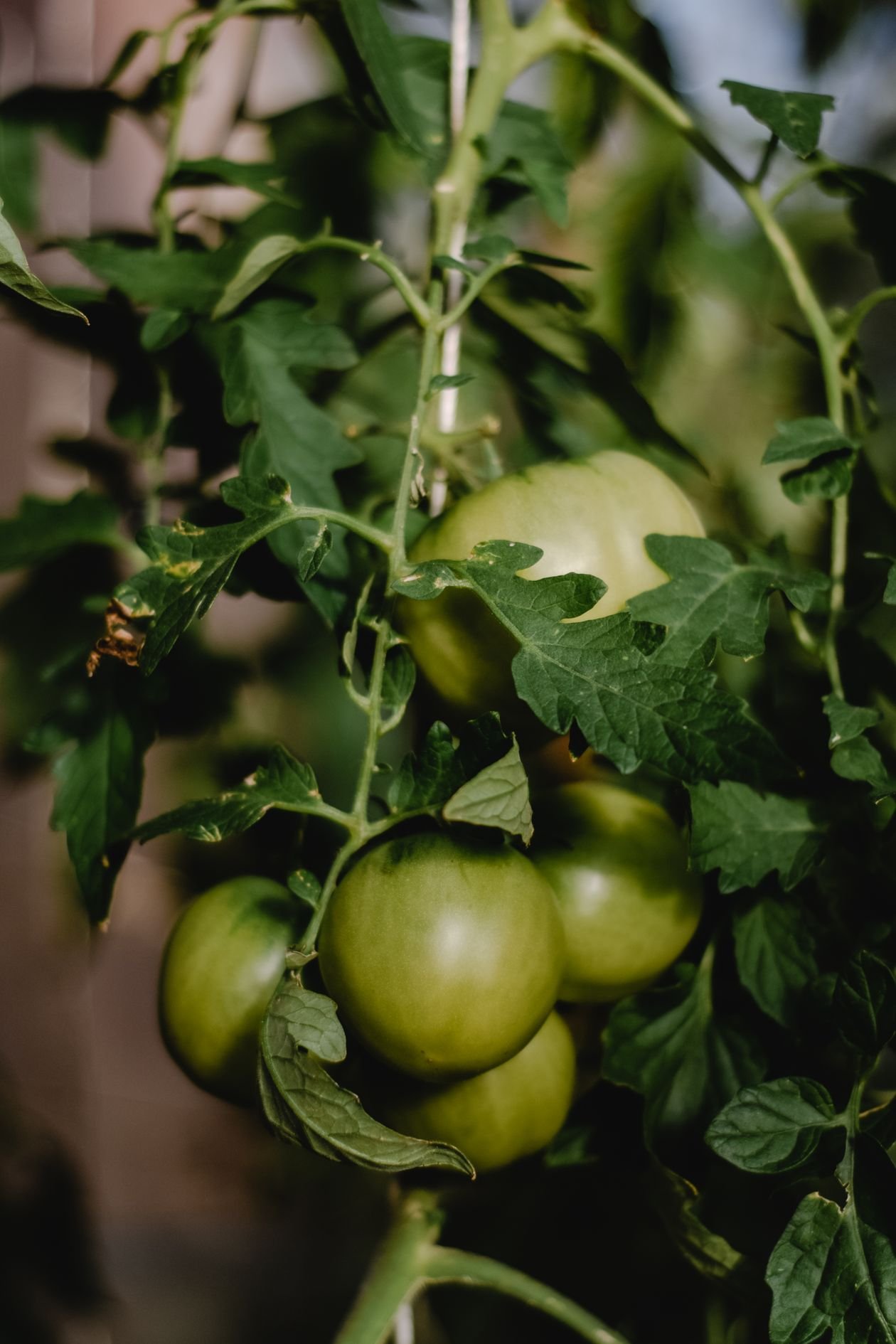
Tomatoes are dramatic plants — they wilt, curl, and sulk at the slightest provocation, then bounce back like nothing happened. The trick is knowing which drama is harmless and which needs action. This guide covers both drooping and curling in tomato plants, because the two symptoms often appear together and have very different causes.
Tomato Plant Leaves Drooping: Causes
1. Afternoon heat wilt (harmless)
On hot days, tomato leaves droop in the afternoon to reduce water loss, then perk back up by evening or morning. If your tomato plant leaves are drooping at 3 PM but fine at 8 AM, that’s just heat — no action needed. Mulch and consistent watering reduce it.
2. Underwatering
Leaves that stay wilted into the cool morning are thirsty. Tomatoes are heavy drinkers, especially in containers and during fruiting. Water deeply at the base — a full soak, not a sprinkle — and the plant should recover within hours.
3. Overwatering
Yes, tomatoes can be overwatered too. Soggy soil starves roots of oxygen, and the plant wilts despite wet soil — the classic trap. If the soil is damp and the plant still droops, stop watering and let it dry out. Our overwatered vs underwatered guide helps you tell the difference.
4. Transplant shock
Newly transplanted tomatoes often droop for a few days while roots establish. Water them in well, provide light afternoon shade for 2–3 days, and don’t fertilize until you see new growth.
Tomato Plant Leaves Curling: Virus vs Harmless Roll
This is the distinction that matters most. Read the direction and the whole plant:
Physiological leaf roll (harmless)
- Direction: leaf edges roll upward, like a taco.
- Which leaves: older, lower leaves first.
- The plant otherwise: keeps growing, flowering, and fruiting normally.
- Cause: heat, inconsistent watering, or heavy pruning. It’s the plant reducing leaf surface to conserve moisture.
- Action: none needed. Water consistently and mulch; new growth comes in flat.
Curly top virus (serious)
- Direction: leaves cup downward, pucker, and wrinkle.
- The plant: stunted, bushy, with shortened stems; young plants may die.
- Extras: leaves thicken and turn dull; fruit ripens prematurely and stays small.
- Cause: curly top virus, spread by beet leafhoppers — UC IPM’s curly top page describes the down-cupping, puckering, and stunting in detail.
- Action: no cure — remove infected plants promptly so leafhoppers don’t spread it.
Tomato yellow leaf curl virus
Another viral culprit: leaves curl upward but with strong crumpling, yellowing between veins, and severe stunting. UC IPM’s tomato yellow leaf curl guide notes it’s spread by whiteflies. Like curly top, infected plants should be removed.
The quick rule: upward roll + healthy growth = relax. Downward cupping + stunting = remove. Our curling leaves guide covers the same check for all plants, and the drooping guide for the wilt side.
Watering Schedule That Prevents Most Problems
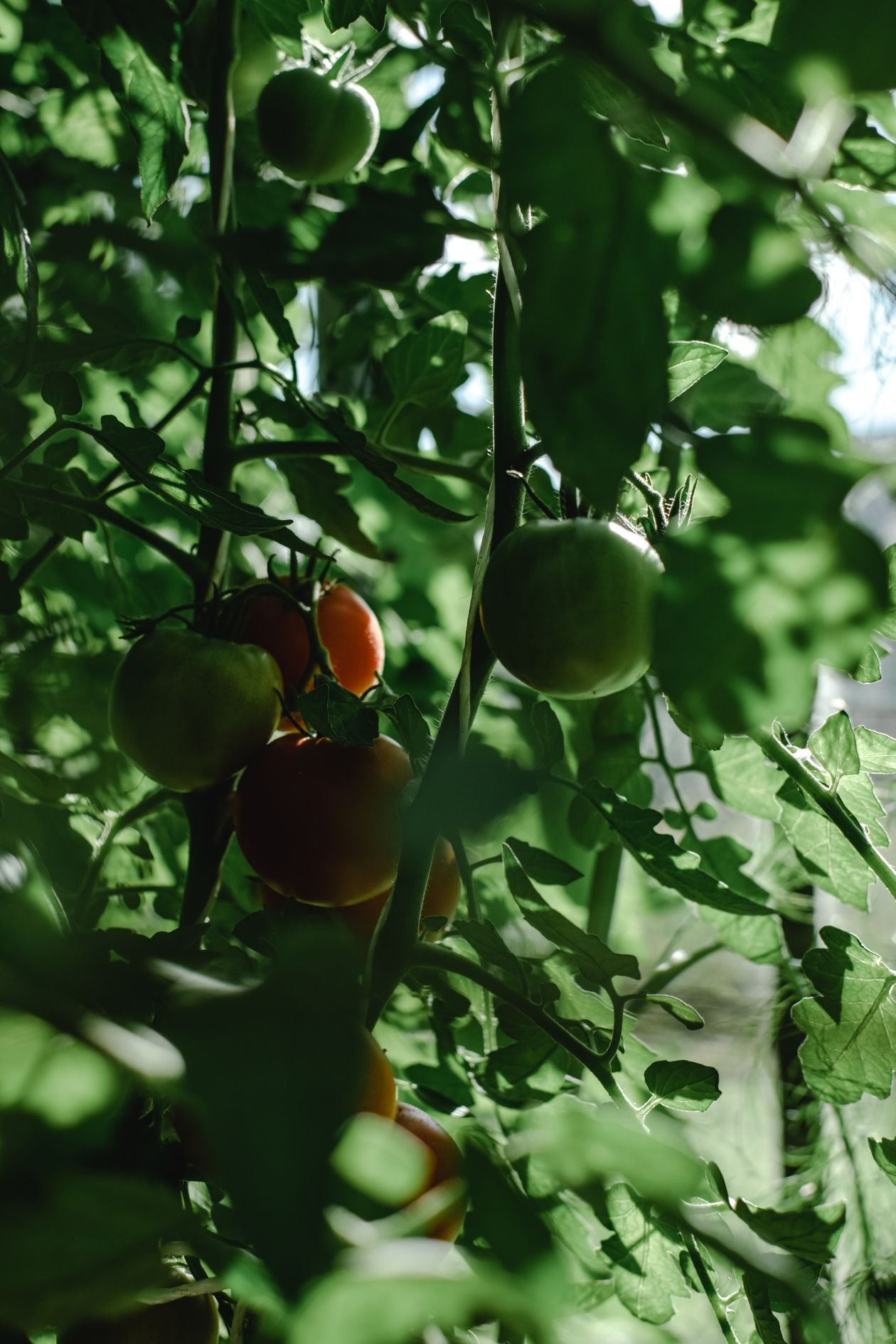
Inconsistent watering causes both drooping and physiological leaf roll. Tomatoes want deep, even moisture:
- Water at the base, not overhead — wet foliage invites disease.
- Give established plants about 1–2 inches of water per week, more in heat and containers.
- Water in the morning so leaves dry quickly.
- Keep it consistent: the swing between bone-dry and flooded is what triggers leaf roll.
Mulch: The Single Best Thing for Tomato Leaves
A 2–3 inch layer of straw, shredded leaves, or wood chips around (not touching) the stem:
- Keeps soil moisture even — fewer wilt/curl episodes.
- Stops soil splashing onto lower leaves (a major disease vector).
- Cools roots in summer heat.
- Suppresses weeds that compete for water.
Container Tomatoes: Why Pots Wilt and Curl More
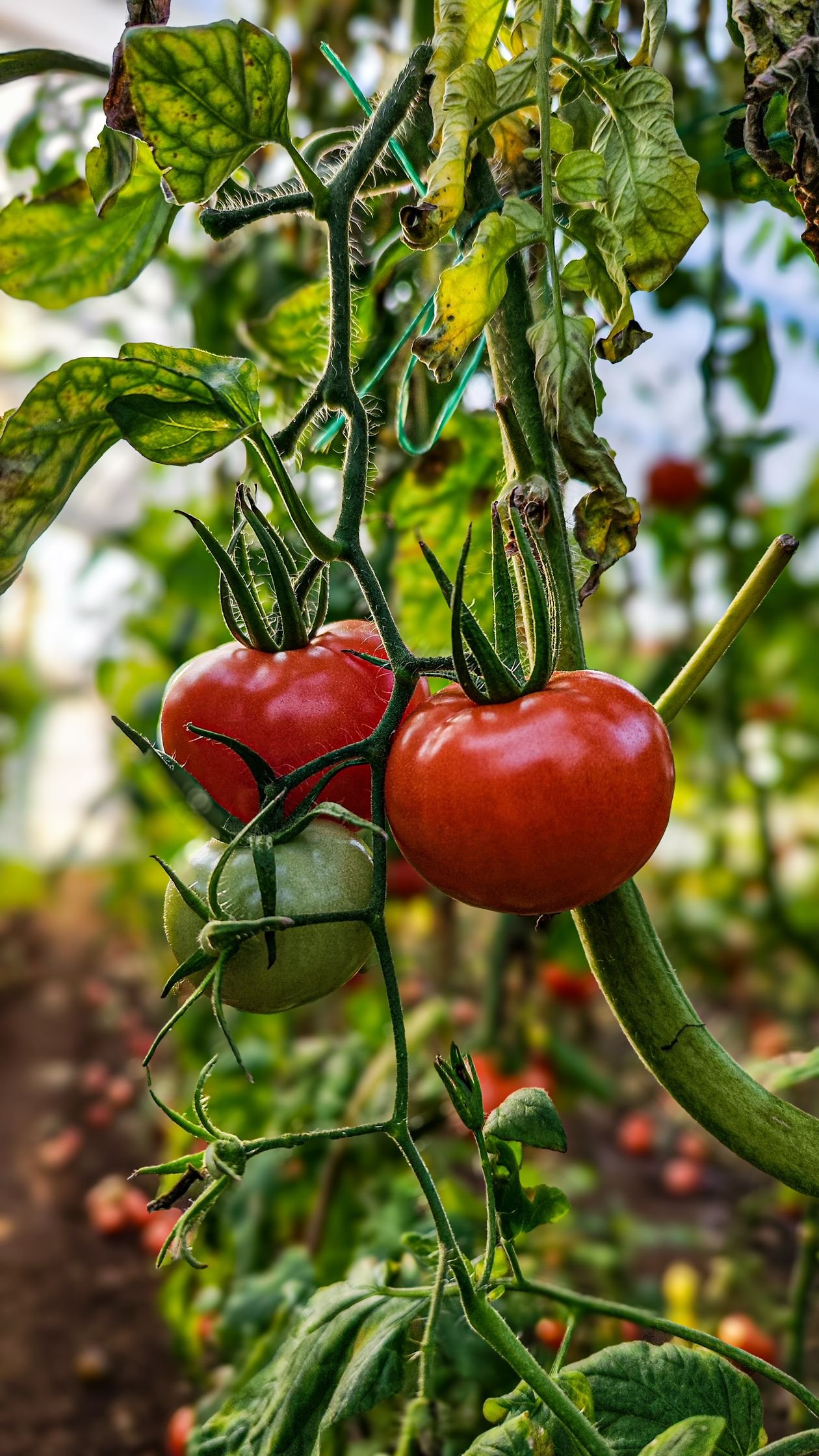
Tomatoes in pots and grow bags show drooping and curling far more often than in-ground plants — and it’s pure physics. A container holds a small reservoir of soil that heats up faster, dries out faster, and has less room for error:
- Use big pots: minimum 5 gallons (about 19 liters) per plant. Small pots swing between soaked and bone-dry daily.
- Water daily in heat: containers in full summer sun often need water every single day — sometimes twice for small pots.
- Mulch the pot too: a layer of straw on the container soil cuts evaporation dramatically.
- Self-watering planters are the lazy gardener’s secret weapon for tomatoes — they keep moisture beautifully even.
- Don’t let pots sit in saucers of water — tomatoes hate wet feet as much as dry spells. Drain saucers after watering.
If your container tomato curls every afternoon despite daily watering, the pot is probably too small or too hot — try moving it where the pot itself gets afternoon shade while leaves stay in sun.
Feeding Tomatoes Without Causing Leaf Problems
Fertilizer mistakes show up in tomato leaves too. Too much nitrogen produces huge dark-green leaves that curl and a plant with lots of foliage but few flowers — classic “all leaves, no fruit.” Too little of everything gives pale, yellowish plants with poor growth. The balanced approach:
- Mix compost or balanced slow-release fertilizer into the soil at planting time.
- Once flowers appear, switch to a fertilizer higher in phosphorus and potassium (the second and third numbers) to support fruiting.
- Feed container tomatoes every 2 weeks — pots leach nutrients fast.
- Never fertilize a wilted or stressed plant; fix the water issue first, then feed a week later.
- Yellow leaves with green veins (interveinal chlorosis) on new growth can signal iron deficiency, often caused by high soil pH rather than lack of iron — a soil test beats guessing.
Do Epsom salts help tomato leaves?
Epsom salt (magnesium sulfate) helps only if your soil is actually magnesium-deficient — which shows as yellowing between leaf veins on older leaves. For most garden soils it’s unnecessary, and overuse throws off calcium uptake, worsening blossom end rot. A soil test is cheaper than guessing. Don’t expect Epsom salt to fix curling or drooping; those are water and heat issues, not magnesium issues.
FAQs: Tomato Plant Leaves Drooping or Curling
Why do my tomato leaves curl upward?
Upward curling of older leaves is usually physiological leaf roll — a harmless response to heat or uneven watering. If the plant keeps growing and fruiting normally, do nothing except water more consistently and mulch. Only worry if growth is stunted or leaves yellow.
My tomato plant is wilting even though the soil is wet — why?
Wilting in wet soil means the roots can’t take up water — either from overwatering (soggy, airless soil) or from a wilt disease like fusarium/verticillium. Let the soil dry out first; if the plant doesn’t recover and wilting is one-sided, suspect disease and remove the plant.
Should I remove curled tomato leaves?
Don’t remove leaves with harmless physiological roll — they’re still photosynthesizing. Remove leaves promptly only if you suspect a virus (downward cupping + stunting), and dispose of them in the trash, not the compost.
How often should I water tomato plants?
Deeply 2–3 times per week in most gardens, daily in containers during hot weather. The goal is consistently moist (not soggy) soil. Mulch cuts watering needs significantly and is the easiest way to keep moisture even.
Can tomato leaf curl spread to other plants?
Physiological leaf roll can’t spread — it’s environmental. But the viruses (curly top, yellow leaf curl) spread via insects (leafhoppers, whiteflies) to tomatoes, peppers, and other hosts. That’s why removing infected plants quickly matters.
Leave a Reply