
Monstera Yellow Leaves? Causes, Fixes & Prevention
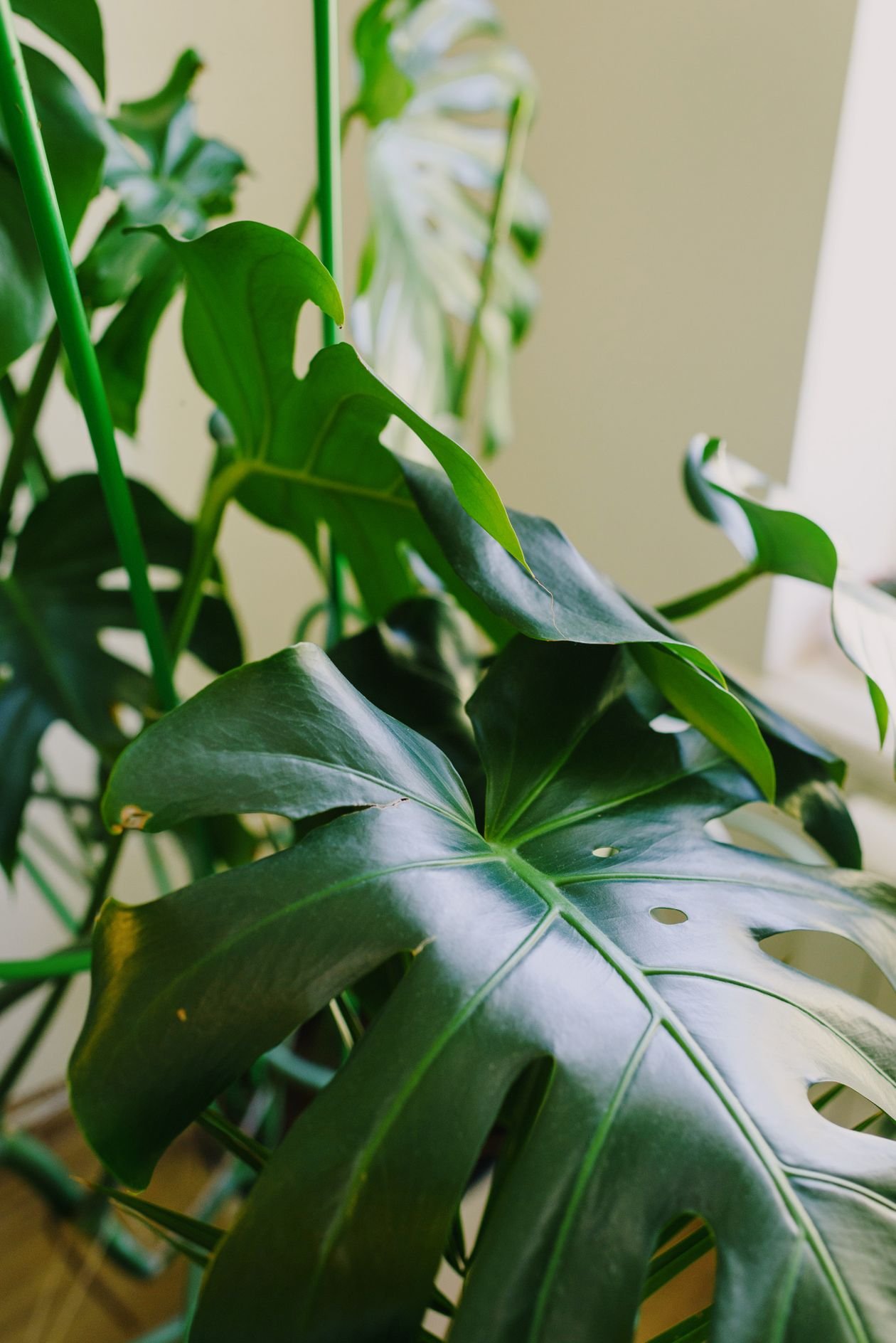
Nothing ruins the look of a monstera like yellow leaves on those big, glossy, split showpieces. The good news: monstera yellow leaves are a symptom, not a death sentence — and monsteras are vigorous plants that recover fast once you fix the cause. Here’s how to read exactly what your plant is telling you.
Why Are My Monstera Leaves Turning Yellow? The Main Causes
1. Overwatering (the most common cause)
Monsteras like their soil to dry out partially between waterings. In constantly wet soil, roots suffocate and rot, and leaves turn yellow — usually starting with the lower, older ones. If several monstera yellow leaves appear at once and the soil is damp, stop watering and let the top 2–3 inches dry out. The RHS recommends watering monsteras “when in growth and keep just moist in winter” — not constantly wet.
2. Too little light
Monsteras need bright indirect light to fuel those huge leaves. In a dim corner, the plant can’t photosynthesize enough, so it sacrifices older leaves — they yellow and drop. The NC State Extension recommends moderate brightness but no direct sun, noting that variegated types need even more light. If your monstera is more than a few feet from a window, light is likely the issue.
3. Normal aging (the harmless one)
One old lower leaf yellowing occasionally is completely normal — the plant recycles nutrients from its oldest leaf to fund new growth. If it’s a single bottom leaf and everything else looks great, just snip it off at the base and carry on.
4. Nutrient deficiency
A monstera that hasn’t been fed in a year+ and shows overall pale or yellowing leaves (especially new growth) is hungry. Nitrogen deficiency yellows older leaves first; the plant is moving nitrogen to new growth. Feed with a balanced liquid houseplant fertilizer monthly during spring and summer.
5. Root-bound stress
A monstera that’s been in the same pot for years can become so root-bound that water runs straight through without wetting the root ball — the plant effectively goes thirsty despite regular watering. If roots are circling densely or poking out of the drainage holes, repot one size up in spring.
Monstera Yellow Leaves With Brown Spots
Yellow leaves with brown spots tell a more specific story:
- Brown spots with yellow halos → often a fungal leaf spot, encouraged by water sitting on leaves or poor air circulation. Water at the base, improve airflow, and remove badly affected leaves.
- Crispy brown edges on yellow leaves → underwatering or very dry air, or fertilizer burn from overfeeding.
- Large brown patches after moving the plant → sunburn. Monsteras scorch in direct midday sun — move back from the window or add a sheer curtain.
For the full brown-leaf diagnostic, see why plant leaves turn brown — and the general yellow leaves guide for the symptom across all plants.
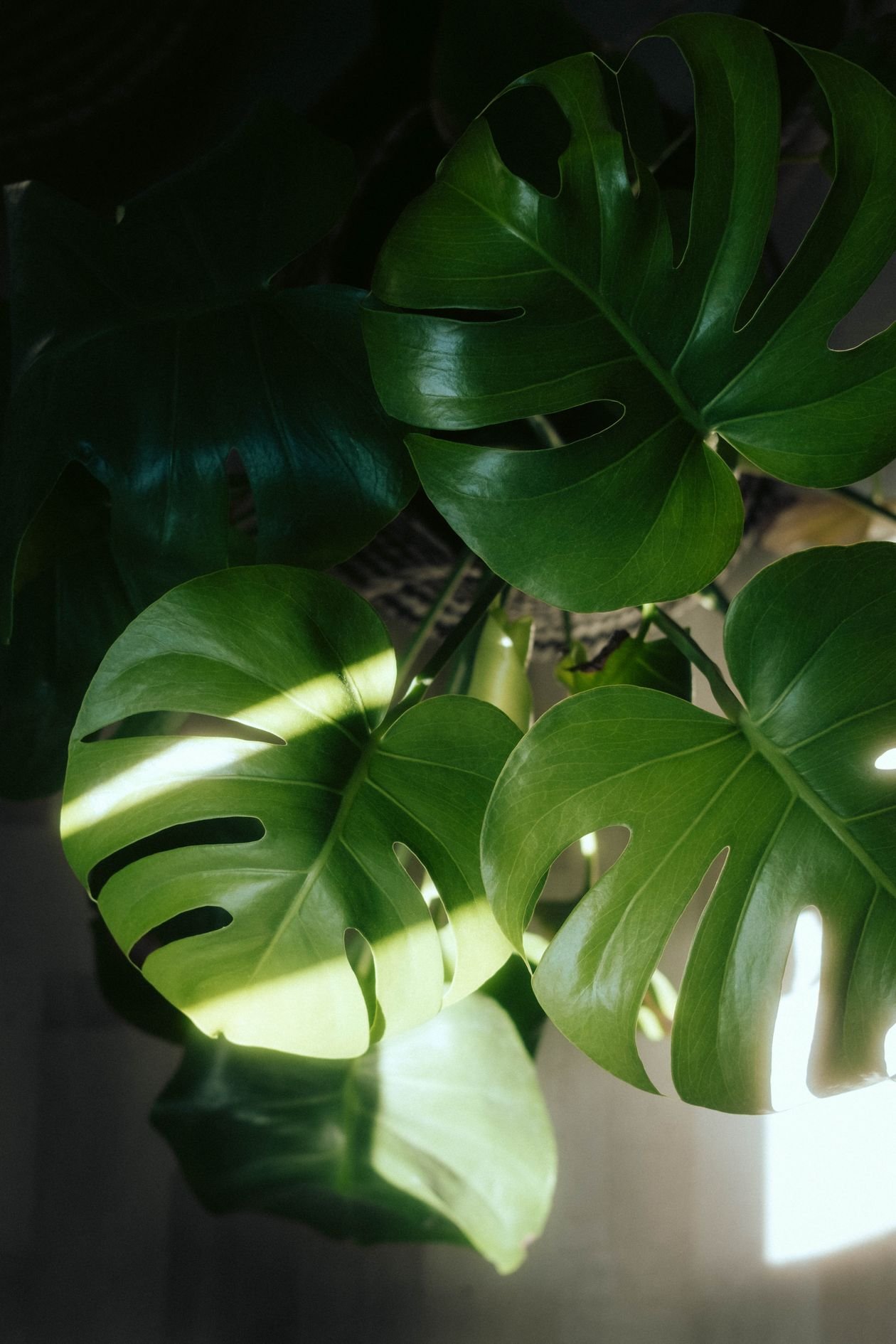
How to Fix Monstera Yellow Leaves (Step by Step)
- Check the soil. Damp + yellow = overwatered. Bone-dry + yellow = thirsty. Adjust accordingly.
- Assess the light. Move the plant to bright indirect light — near an east or north window, or a few feet back from a south/west window.
- Remove the yellow leaves. They won’t turn green again. Snip at the base of the leaf stem with clean scissors — this also lets you see clearly whether new yellowing appears.
- Check the roots if multiple leaves yellowed fast. Brown mushy roots = rot; trim and repot in fresh airy mix (potting soil + perlite + orchid bark).
- Feed in growing season. If the plant hasn’t been fed, start monthly balanced fertilizer in spring/summer.
Dull Monstera Leaves: Cleaning for Health and Shine
Monstera leaves are dust magnets, and a dusty leaf photosynthesizes poorly — chronic dust can contribute to the pale, tired look that precedes yellowing. Wipe each leaf top and bottom with a soft damp cloth every few weeks. This also lets you spot pests (thrips, spider mites, scale) early. For safe shine methods, see our guide to making plant leaves shiny — skip oils and commercial sprays that clog pores.
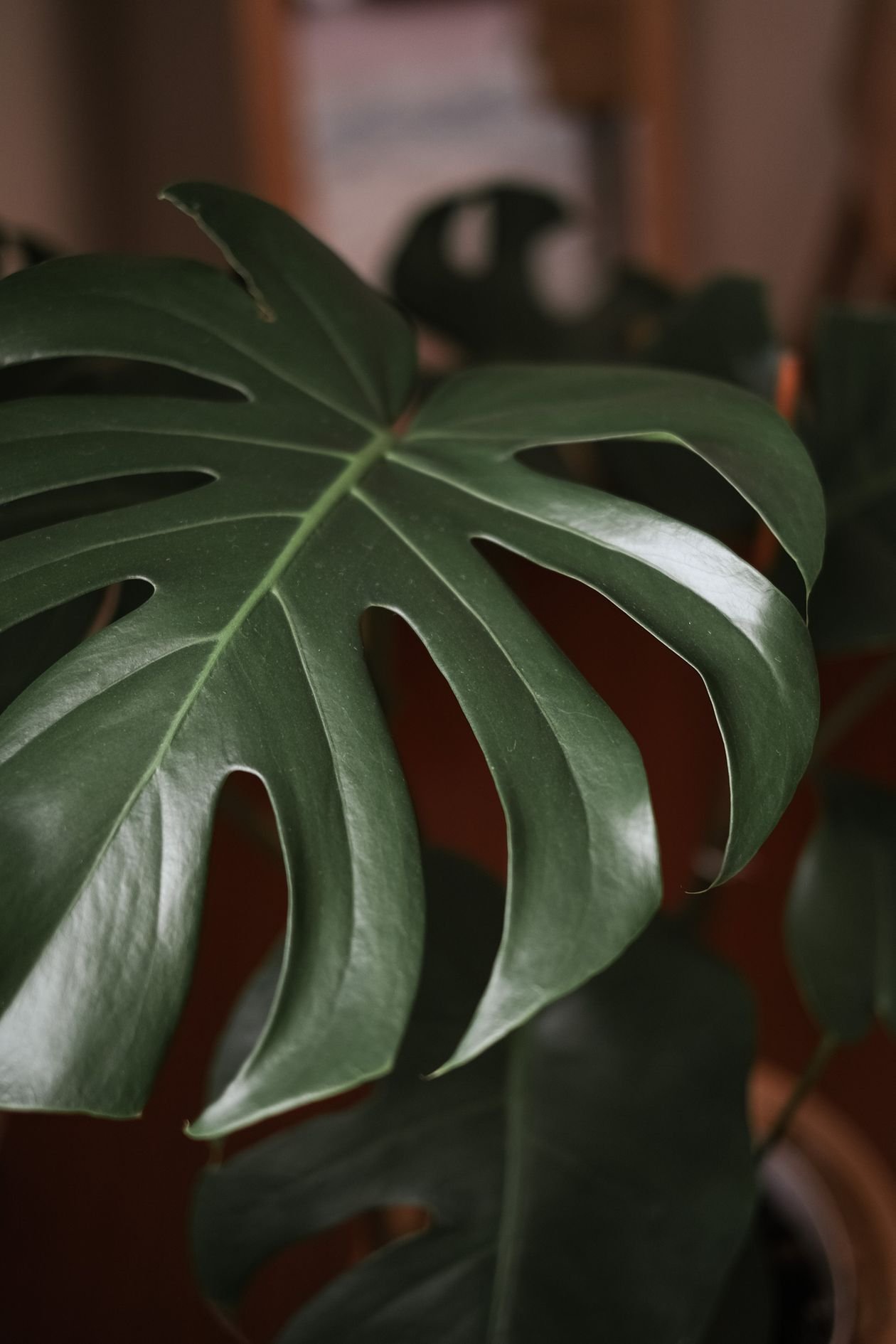
Preventing Yellow Leaves: Monstera Care Basics
- Light: bright indirect light; no harsh midday sun.
- Water: when the top 2–3 inches of soil are dry; less in winter.
- Soil: chunky, airy aroid mix — regular potting soil plus perlite and bark.
- Humidity: 40–60% is ideal; monsteras tolerate average homes but love a humidifier.
- Support: a moss pole encourages bigger, healthier leaves and reduces stress.
- Feeding: balanced liquid fertilizer monthly, spring through summer.
- Repotting: every 2–3 years, or when root-bound.
Why Your New Monstera Leaves Have No Splits (Fenestration)
A common follow-up worry: “my monstera’s new leaves are solid hearts with no holes — is it sick?” No — that’s normal juvenile growth. Fenestrations (the splits and holes) appear only on mature leaves, and maturity needs three things:
- Age: most monsteras start fenestrating after 2–3 years, once they have several mature leaves.
- Light: bright indirect light drives fenestration. A monstera in dim light stays juvenile indefinitely — another reason light matters so much.
- Support: a moss pole or trellis lets the plant climb as it would in the wild, which triggers larger, more fenestrated leaves. Monsteras left trailing stay smaller-leafed longer.
Don’t cut off healthy juvenile leaves hoping for splits — the plant needs that foliage to power its way to maturity. Give it light, support, and time.
What to do with monstera aerial roots
Those thick brown roots dangling from the stems are aerial roots — the plant’s natural climbing gear. Don’t cut them all off: tuck them into the moss pole or guide them into the soil, where they’ll absorb moisture and anchor the plant. Trimming one or two unsightly ones is harmless, but removing them all stresses the plant and slows new growth.
FAQs: Monstera Yellow Leaves
Should I cut off yellow monstera leaves?
Yes. A yellow leaf won’t turn green again, and removing it lets the plant redirect energy to healthy growth. Cut the leaf stem at its base with clean scissors. If new leaves keep yellowing after removal, the underlying cause (water, light, or roots) still needs fixing.
Why are my monstera’s new leaves turning yellow?
New growth yellowing is more serious than old-leaf yellowing — it usually means overwatering/root rot or a nutrient deficiency, since the plant sacrifices new growth last. Check roots first, then consider feeding if the plant hasn’t been fertilized in months.
How often should I water my monstera?
When the top 2–3 inches of soil feel dry — typically every 1–2 weeks indoors, depending on light, pot size, and season. Always check the soil rather than watering on a schedule. In winter, stretch it further.
Can low light cause monstera yellow leaves?
Absolutely — it’s the second most common cause after overwatering. Monsteras in dim spots slowly starve, yellowing and dropping older leaves. Move yours to bright indirect light and you should see healthier new growth within a month.
Why does my monstera have yellow leaves with brown spots?
Brown spots with yellow halos usually indicate fungal leaf spot (from water on leaves or poor airflow) or sunburn (if it appeared after moving to brighter light). Remove affected leaves, water at the base, improve air circulation, and keep the plant out of direct midday sun.
Leave a Reply