
Jade Plant Leaves Falling Off? Causes & Fixes
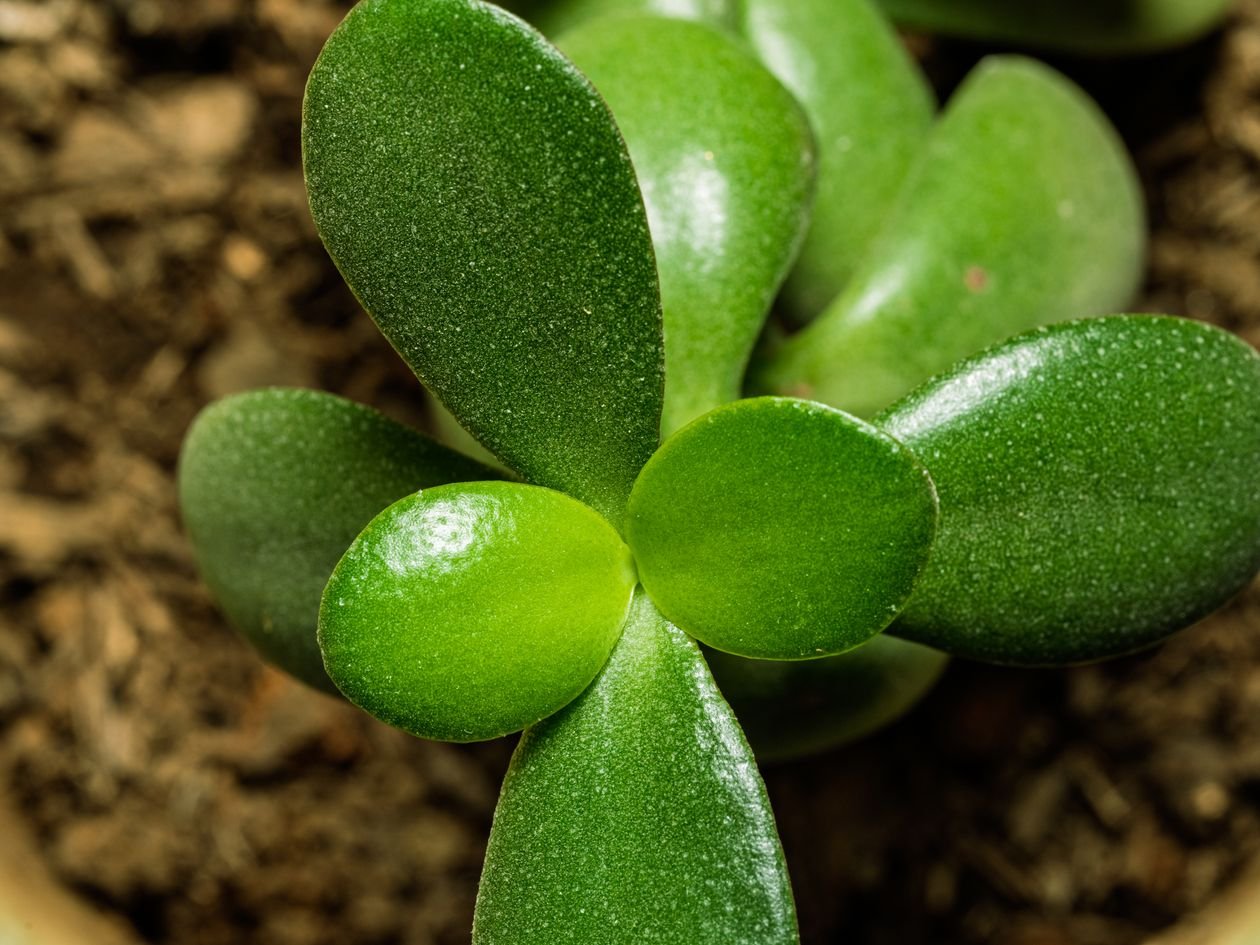
A jade plant (Crassula ovata) is a tough succulent — but when its plump green leaves start dropping every time you brush past it, the plant is telling you something is off. Jade plant leaves falling off is one of the most common jade problems, and the fix is usually simpler than owners expect. Here’s how to diagnose the cause from what the fallen leaves look like, and how to stop the drop.
Why Are My Jade Plant Leaves Falling Off? The Main Causes
1. Overwatering (most common)
Jade plants store water in their leaves and stems, so soggy soil suffocates the roots. Overwatered jade leaves turn soft, translucent, or yellow before dropping — they may fall off at the slightest touch. The Missouri Botanical Garden notes that overwatering causes jade plants to develop wilted, discolored leaves and rubbery branches that can break off, and if rot reaches the base, the stem collapses. If your jade plant leaves are falling off and feel mushy, stop watering immediately and let the soil dry completely.
2. Underwatering (wrinkled leaves)
The opposite problem looks different: underwatered jade leaves get thin, wrinkled, and dry before they drop. The leaves lose their plumpness because the plant is using up its stored water. Unlike overwatering, this is easy to fix — a deep, thorough watering usually stops the drop within days.
3. Not enough light
Jade plants need a lot of light — the Missouri Botanical Garden recommends a minimum of 4 hours of direct sun or 12 hours of bright indirect light. In dim conditions, jades shed lower leaves, grow leggy, and the remaining leaves turn pale. If your jade is dropping leaves in a dark corner, light is at least part of the problem.
4. Temperature shock and cold drafts
Jades hate sudden cold. A plant moved from a warm room to a cold windowsill, or one sitting in a winter draft, will drop leaves in protest. They tolerate temperatures down to about 45°F (7°C), but sudden swings cause leaf drop. Keep yours away from drafty windows, exterior doors, and heating vents that blast hot dry air.
5. Natural shedding (the harmless one)
A few older, lower leaves dropping occasionally is normal — the plant recycles them as it grows. Worry only when the drop is sudden, heavy, or the fallen leaves look unhealthy.
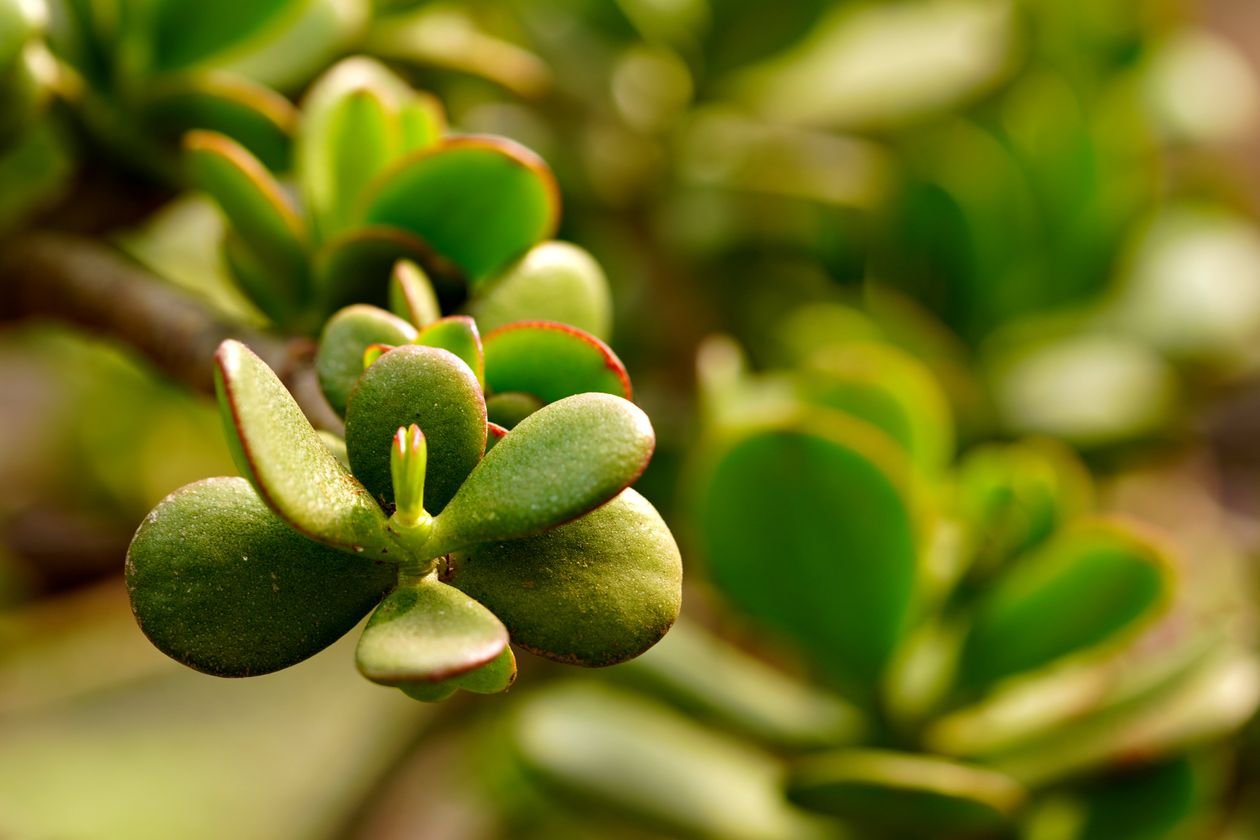
How to Fix a Jade Plant Dropping Leaves
Step 1: Read the fallen leaves
- Soft, yellow, translucent → overwatering. Let soil dry out fully; check for root rot.
- Wrinkled, thin, dry → underwatering. Water deeply until it drains out the bottom.
- Green and healthy-looking → likely temperature shock, a recent move, or natural shedding.
Step 2: Fix the watering
Water only when the soil is completely dry — for most indoor jades, that’s every 2–3 weeks in summer and even less in winter. Water thoroughly so it runs out the drainage holes, then empty the saucer. Penn State Extension’s jade plant guide stresses well-drained soil and infrequent watering as the two non-negotiables. If you can’t tell wet from dry, our overwatered vs underwatered guide shows the finger test.
Step 3: Give it more light
Move the jade to your brightest window — south-facing is ideal. If it has been in low light, transition gradually over a week to avoid sunburn on tender leaves.
Step 4: Stabilize the environment
Keep the plant in a spot with steady, average room temperatures. Don’t move it around constantly — jades sulk after every relocation and may drop a few leaves in protest. That’s normal and temporary.
Bonus: Propagate the Fallen Leaves
Here’s the silver lining: healthy fallen jade leaves are free new plants. Lay plump, undamaged fallen leaves on top of dry succulent mix (don’t bury them), mist lightly every few days, and keep them in bright indirect light. In 2–4 weeks, tiny roots and a baby rosette sprout from the leaf base. Once the baby is a half-inch across, pot it up. Even leaves that fell from stress often root just fine — the plant’s last gift to you.
Preventing Future Leaf Drop
- Terracotta pots dry out faster than plastic or glazed ceramic — ideal for jades.
- Gritty cactus/succulent mix, never dense garden soil.
- Bright light — 4+ hours of direct sun or a strong grow light.
- Water deeply but rarely — dry all the way through, then soak.
- Leave it alone — jades thrive on benign neglect. Constant fussing (moving, misting, “a little sip” of water) causes most problems.
For the general walkthrough of this symptom, see why plant leaves fall off — and if the leaves are also flopping rather than dropping, check why leaves droop.
Seasonal Jade Plant Care: Stop Leaf Drop Before It Starts
Jade leaf drop follows the seasons — adjusting your routine through the year prevents most problems:
- Spring: growth resumes. Move the plant to brighter light gradually, resume normal watering, and start monthly feeding. This is the best time to prune leggy stems.
- Summer: jades can go outdoors in a sheltered spot with morning sun. Water when dry; heat speeds up drying. Watch for sunburn on leaves that grew indoors — introduce outdoor sun over 7–10 days.
- Fall: bring the plant indoors well before first frost. Reduce watering as growth slows and daylight shortens.
- Winter: the danger season. Keep the jade in your brightest window, away from cold glass and heating vents. Water sparingly — once a month is often enough. Don’t fertilize until spring.
Most winter leaf drop comes from the combination of low light + a cold windowsill + too much water. Fix all three and your jade will cruise through winter with barely a dropped leaf.
FAQs: Jade Plant Leaves Falling Off
Why are my jade plant leaves falling off when I touch them?
Leaves that detach at the slightest touch are almost always overwatered — the leaf joints weaken when the plant is waterlogged. Let the soil dry out completely and don’t water again until it’s bone-dry. The drop should stop within a week or two.
Will fallen jade leaves grow back on the stem?
No — a bare spot on the stem won’t regrow a leaf. But jade plants readily push new growth from the stem tips and from pruning points, so the plant fills back in. Pruning a leggy stem just above a leaf node encourages two new branches to sprout.
How do I know if my jade plant is overwatered or underwatered?
Squeeze a fallen leaf: soft, mushy, or translucent means overwatered; thin, wrinkled, and papery means underwatered. Overwatered soil also feels damp and may smell musty, while underwatered soil pulls away from the pot edges.
Can I save a jade plant that lost all its leaves?
Often, yes. If the stems are still firm and green inside when scratched, the plant is alive — fix the watering and light, and new buds will appear in a few weeks. If stems are mushy or black throughout, take cuttings from any firm sections and start over.
Do jade plants drop leaves in winter?
They can. Shorter days, lower light, and cold drafts near windows all trigger some leaf drop in winter. Reduce watering (the plant barely drinks in winter), move it to the brightest window, and keep it away from cold glass. A few dropped leaves in winter is normal.
Leave a Reply