
Why Are My Plant Leaves Turning Yellow? 7 Causes & Fixes
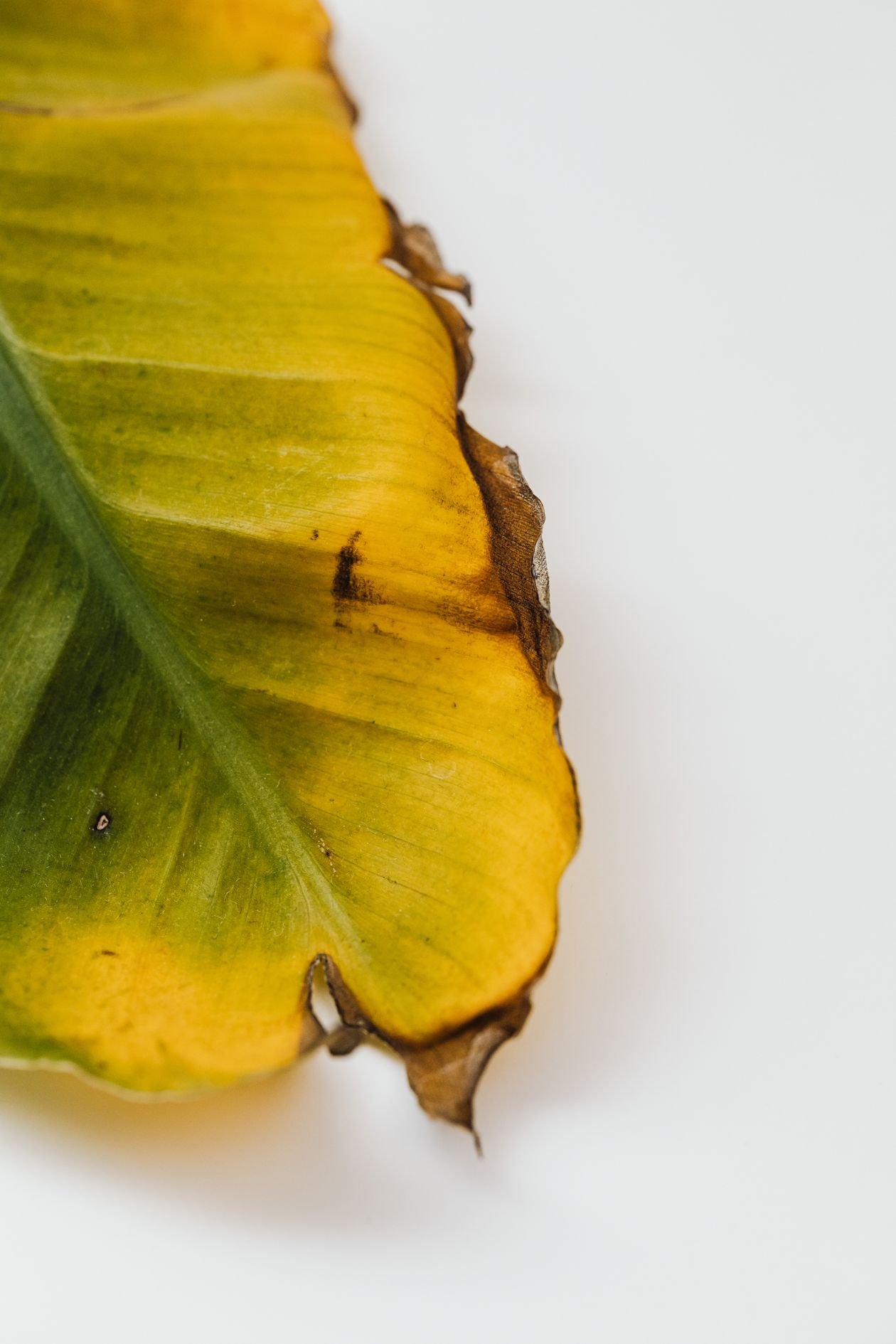
If you’ve been asking yourself why are my plant leaves turning yellow, you’re in good company — it’s the single most common question plant owners ask, and the good news is that it’s rarely a death sentence. A yellow leaf is your plant’s way of waving a flag: something in its care routine needs adjusting. The trick is figuring out what, because yellowing can mean too much water, too little water, not enough light, missing nutrients, or simply old age.
This guide walks you through all seven causes, shows you how to diagnose yours in under a minute, and gives you a clear fix for each one. By the end, your plant will be on its way back to green.
The 7 Reasons Your Plant Leaves Are Turning Yellow
Work through these in order — the first two (watering issues) account for the vast majority of yellow-leaf cases in houseplants.
1. Overwatering (the #1 cause)
More houseplants die from kindness than neglect. When soil stays soggy, air pockets disappear and roots literally suffocate. Damaged roots can’t absorb nutrients, so the plant sacrifices its older, lower leaves first — they turn yellow, feel soft or mushy, and may drop.
Signs it’s overwatering:
- Lower leaves turning yellow while top growth still looks okay
- Soil feels wet days after watering; pot feels heavy
- Stems feel soft near the base; musty smell from the soil
- Tiny flies (fungus gnats) hovering around the pot
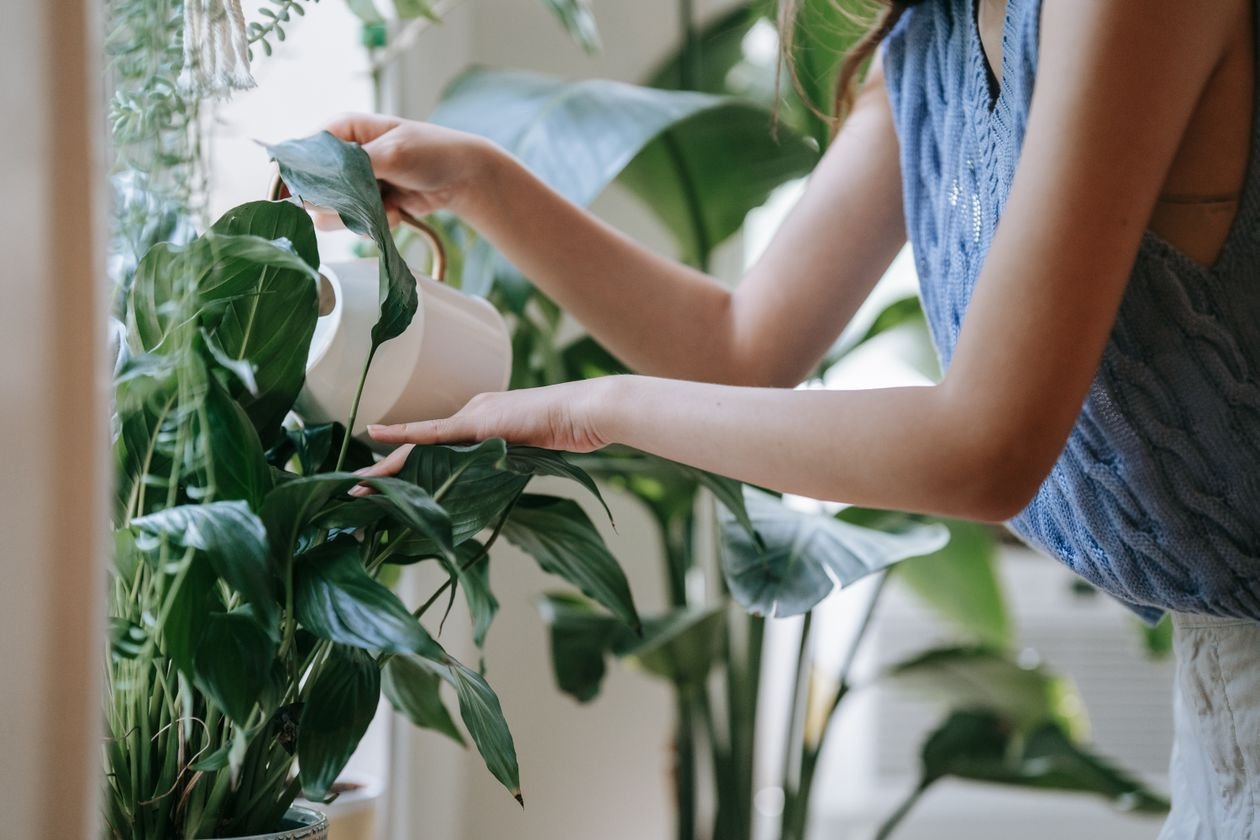
The fix: Stop watering and let the top 5 cm (2 inches) of soil dry out completely. Make sure the pot has drainage holes and empty the saucer after watering. If the roots are brown and mushy, it’s root rot — trim the dead roots, repot in fresh, well-draining mix, and water less often. Our guide on overwatered vs underwatered plants shows you how to tell the two apart at a glance.
2. Underwatering
On the flip side, a plant that goes too long without water will yellow too — but the pattern looks different. Underwatered leaves usually turn yellow at the tips and edges first, feel dry and crispy, and the whole plant droops. The soil pulls away from the sides of the pot and feels bone-dry.
The fix: Water thoroughly until it runs out of the drainage holes, then let the excess drain away. For a severely dried-out root ball, set the pot in a basin of room-temperature water for 20–30 minutes so the soil can soak it up evenly. Then get on a regular check routine — most houseplants like a drink when the top few centimetres of soil are dry.
3. Not enough light
Plants make their food through photosynthesis, and without enough light they can’t maintain all their leaves. The plant responds by yellowing and dropping the leaves that cost more energy than they produce — usually the lower, shaded ones. You’ll also see leggy, stretched-out stems reaching toward the nearest window.
The fix: Move the plant closer to a bright window, but avoid blasting a shade-lover with harsh midday sun (that causes its own problems — see our guide to brown leaves from sunburn). Bright, indirect light suits most houseplants. A dusty film on leaves also blocks light, so wipe leaves with a damp cloth every few weeks.
4. Nutrient deficiency
If watering and light are fine, yellowing often points to missing nutrients — especially in plants that have sat in the same pot for a year or more. The pattern tells you which nutrient is lacking:
- Nitrogen: uniform yellowing starting with older, lower leaves; weak, slow growth.
- Iron: yellowing between the veins on new, young leaves while veins stay green (interveinal chlorosis) — often linked to alkaline soil or hard tap water.
- Magnesium: interveinal yellowing on older leaves, sometimes with reddish tints.
The fix: Repot into fresh potting mix (old mix runs out of nutrients) and feed with a balanced liquid houseplant fertilizer during the growing season, following the label dose — more is not better. The Mississippi State University Extension notes that nitrogen deficiency shows as general yellowing while magnesium deficiency shows between the veins, and recommends correcting with an appropriate feed (MSU Extension: yellowing leaves causes).
5. Natural aging
Sometimes yellow leaves are completely normal. As plants grow, they shed their oldest, lowest leaves to redirect energy into new growth — one or two yellow leaves at the base every few weeks is just the plant’s life cycle, especially in fast growers like pothos and philodendron.
When to worry: it’s normal if only the odd bottom leaf yellows and the rest of the plant looks healthy and keeps growing. It’s not normal if many leaves yellow at once, new growth is affected, or yellowing spreads upward.
6. Repot shock
Did the yellowing start within a week or two of repotting? That’s transplant shock. Roots get disturbed during repotting and the plant drops a few leaves while it re-establishes. It’s temporary.
The fix: Keep the plant in stable, indirect light, water normally (not extra), and skip fertilizer for 3–4 weeks. Resist the urge to repot again — moving it twice doubles the stress.
7. Winter dormancy and cold drafts
Growth slows in winter when light drops, so plants need less water — but many owners keep watering on their summer schedule. The result: yellow leaves from soggy winter soil. Cold drafts from windows or doors, and hot dry air from radiators, add extra stress.
The fix: In winter, water less often (always check the soil first), move plants away from radiators and drafty windows, and don’t expect much new growth until spring. Some leaf drop in winter is normal and the plant will rebound.
How to Tell Which Cause Is Yours: The 60-Second Diagnosis
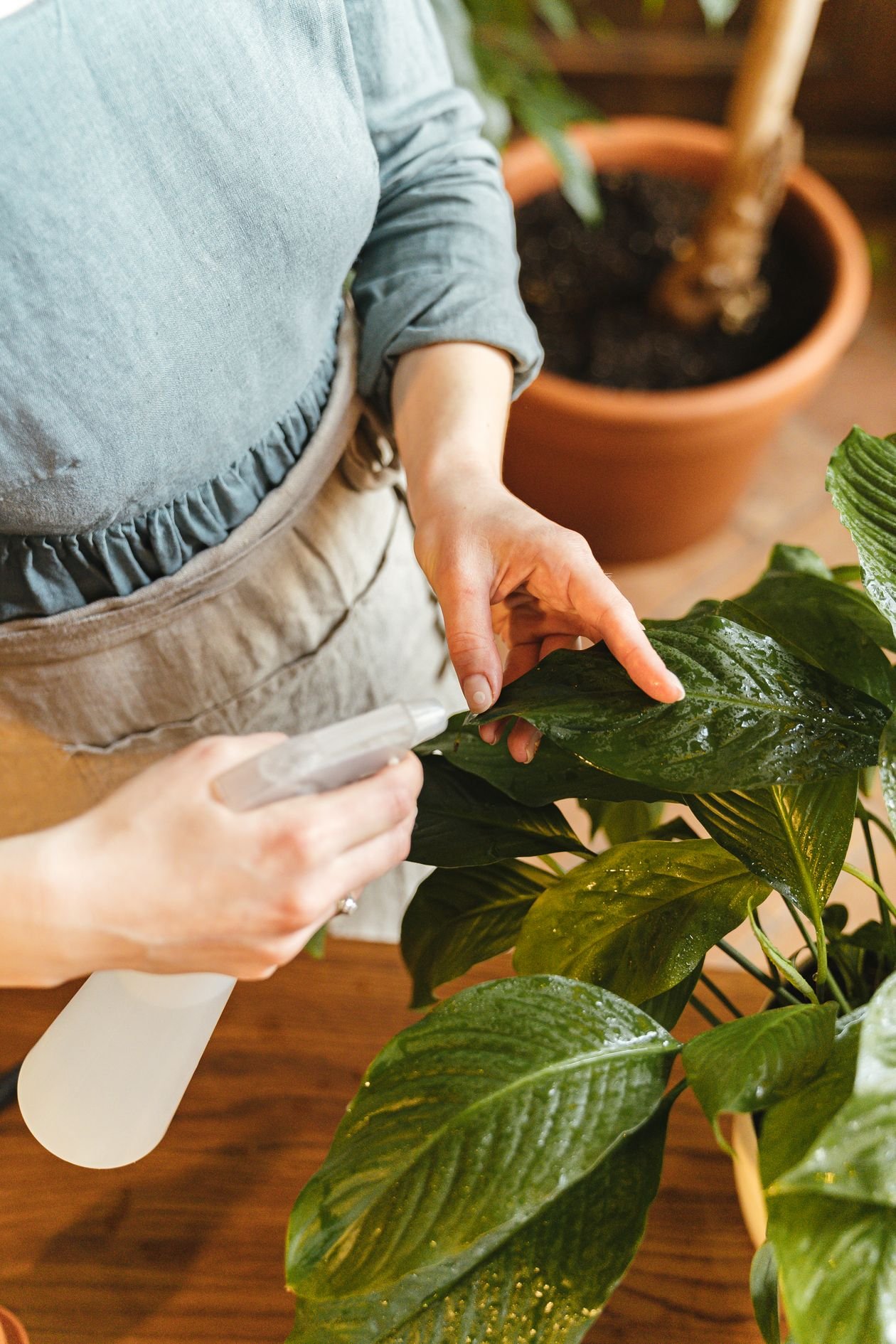
Don’t guess — match what you see to this checklist:
- Only the oldest, lowest leaves are yellow, rest is healthy? → Natural aging. Relax.
- Yellow, soft leaves + wet soil + heavy pot? → Overwatering. Let it dry out.
- Yellow, crispy edges + dry, shrunken soil? → Underwatering. Water deeply.
- Pale yellow all over + leggy stems + dark corner? → Not enough light. Move it brighter.
- Yellow between green veins on new leaves? → Iron deficiency. Feed and check water pH.
- Uniform yellowing of older leaves + weak growth? → Nitrogen deficiency. Repot and feed.
- Started right after repotting? → Transplant shock. Give it time.
- Winter + yellow leaves near a radiator or drafty window? → Seasonal stress. Adjust water and position.
If your plant’s leaves are turning yellow and brown at the same time — yellow with brown spots, or brown crispy tips on yellow leaves — read our guide to why plant leaves turn brown, since the two problems often overlap.
How to Fix Yellow Leaves: Your Recovery Plan
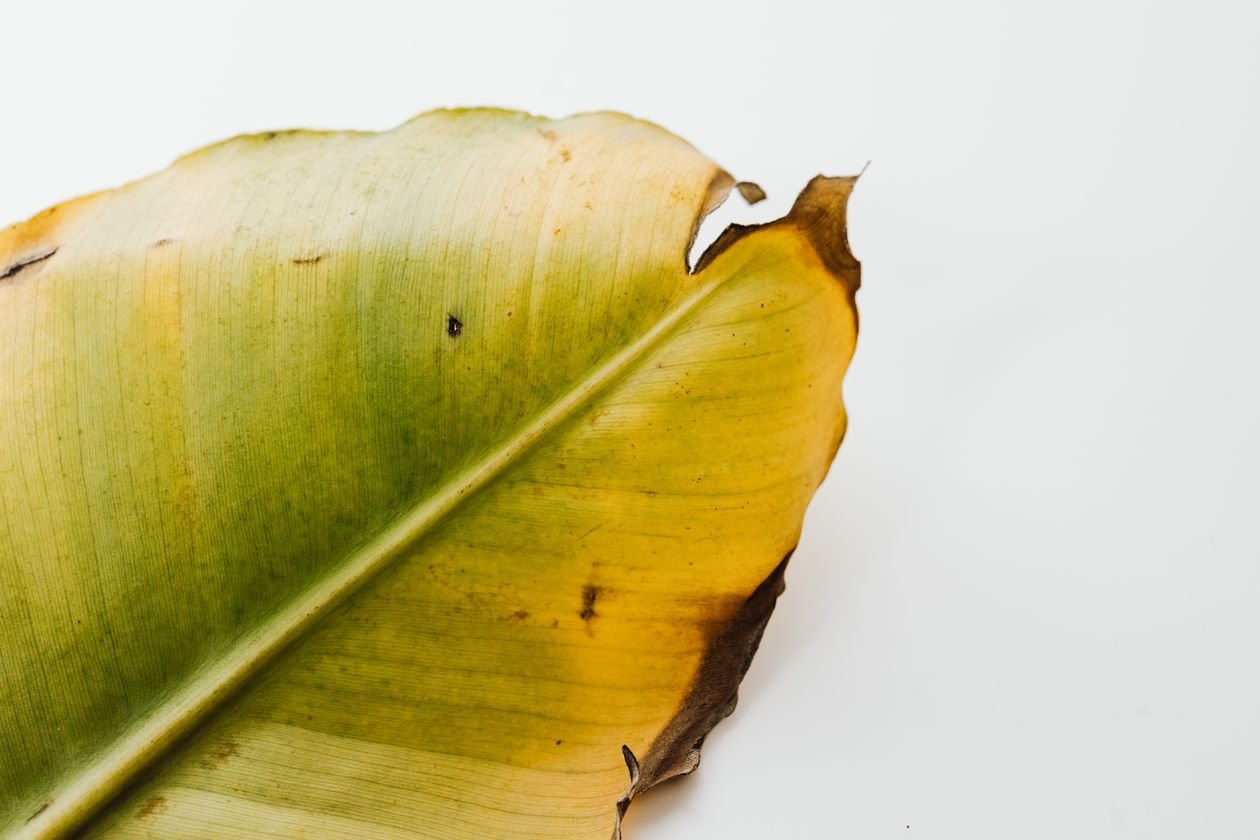
- Remove the clearly dead leaves. Fully yellow, mushy leaves won’t recover — snip them off with clean scissors so the plant stops wasting energy on them.
- Fix the cause, not the symptom. Adjust water, light, or feeding based on your diagnosis above. Changing everything at once stresses the plant further.
- Check the roots if it doesn’t improve. Gently slide the plant out of its pot. White, firm roots are healthy; brown, mushy, smelly roots mean rot — trim the bad parts and repot in fresh mix.
- Be patient. Existing yellow leaves won’t turn green again (more on that below), but new growth should emerge healthy within 2–4 weeks. That’s your sign the fix worked.
- Don’t fertilize a sick plant. Wait until you see healthy new growth before feeding.
If the plant looks like it’s past the point of a simple fix — limp stems, widespread yellowing, mushy base — our step-by-step revive a dying plant guide walks you through the full rescue routine.
Stop Yellow Leaves Before They Start
- Water by checking the soil, not by the calendar.
- Give every plant a pot with drainage holes and empty the saucer.
- Repot into fresh mix every 1–2 years so nutrients don’t run out.
- Feed lightly during spring and summer; rest in winter.
- Wipe leaves clean and rotate the pot monthly for even light.
- Keep plants away from radiators, air conditioners, and drafty doors.
Different plants have their own quirks — a monstera’s yellow leaves, for example, have a few extra causes worth knowing about.
Yellow and Brown Together: What the Combo Means
Seeing both colors at once? The combination tells its own story:
- Yellow leaves with brown spots or brown edges: usually a nutrient deficiency that has progressed — the yellow tissue is dying and turning brown. Feed with a balanced fertilizer and the new growth will come in healthy.
- Yellow leaves turning brown and crispy: underwatering. The leaf yellowed from drought stress, then the edges dried out completely. Deep-water and adjust your routine.
- Yellow with soft brown patches: overwatering plus the beginnings of rot. Check the roots — this combo is the one most likely to need repotting.
- Yellow halo around brown spots: fungal leaf spot or sunburn. Remove affected leaves and improve air circulation.
When both colors show up, always fix the water issue first — it’s the cause behind most combos. For the brown side of the problem in detail, see why plant leaves turn brown.
Yellow Leaves Through the Seasons: What Changes
Yellowing isn’t evenly spread through the year — each season brings its own pattern, and knowing what’s normal saves you from overreacting:
- Spring: the growth spurt. Plants push out lots of new leaves and may shed a few old ones at the same time — normal. This is also the best time to repot and start feeding again.
- Summer: heat stress and fast-drying soil. Yellowing with crispy edges in July usually means the plant is drying out between waterings faster than you expect. Check soil more often in hot months.
- Autumn: light levels drop, and plants notice before you do. A few lower leaves yellowing in October as days shorten is the plant adjusting — ease off watering and feeding.
- Winter: the danger zone. Short days, dry heated air, and cold drafts cause the most yellowing of the year. Water sparingly, keep plants away from radiators, and accept that growth will pause until spring.
If you track when the yellowing started, you can often match it to one of these seasonal shifts — and the fix becomes obvious.
FAQs: Why Are My Plant Leaves Turning Yellow?
Can a yellow leaf turn green again?
No — once a leaf has lost its chlorophyll and turned fully yellow, it can’t photosynthesize and won’t turn green again. The good news: this doesn’t mean the plant is doomed. Remove the spent leaves and fix the underlying cause, and the plant will push out fresh green growth.
Should I cut yellow leaves off?
Yes, remove leaves that are fully yellow, brown, or mushy — they’re dead weight the plant keeps feeding. Use clean scissors and cut at the base of the leaf stem. But leave any leaf that’s still partly green: it’s still making food for the plant and helping it recover.
What is the best fertilizer for yellowing leaves?
A balanced liquid houseplant fertilizer (equal N-P-K, like 10-10-10 or 20-20-20) covers most deficiencies. If new leaves are yellow between green veins — the classic iron-deficiency pattern — use an iron-supplement or chelated-iron product, and consider switching to rainwater if your tap water is very hard. Always follow the label dose.
Does Epsom salt help yellow leaves?
It can — but only if magnesium deficiency is the actual problem (yellowing between veins on older leaves). The Mississippi State University Extension suggests spraying 2 tablespoons of Epsom salt per gallon of water and watching for green-up within days. If the yellowing is from overwatering or low light, Epsom salt won’t help at all, so diagnose first.
Why are my plant’s leaf tips turning yellow?
Yellow tips usually point to inconsistent watering (letting the plant dry out too much between waterings), low humidity, or salt buildup from fertilizer and hard tap water. Flush the soil with clean water occasionally to wash out excess salts, and try filtered or rainwater if the problem keeps returning.
How can I tell if my plant is overwatered?
The classic signs: yellow lower leaves that feel soft, soil that stays wet for days, a heavy pot, and sometimes a musty smell or tiny flies around the soil. The finger test is the fastest check — if the soil is damp 5 cm down and the plant is yellowing, hold off on watering. Compare with the signs in our overwatered vs underwatered guide.
Leave a Reply