
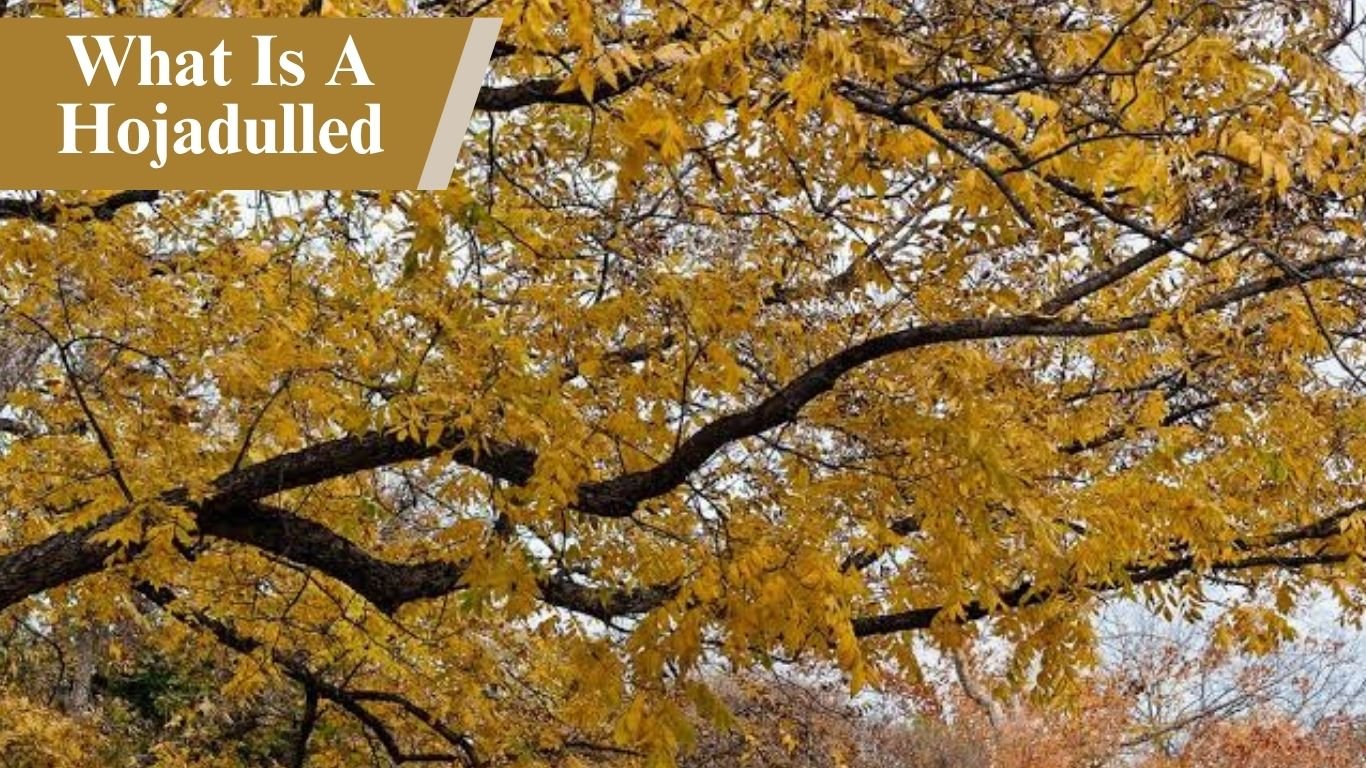
What is a Hojadulled? The Botanical Definition
In formal botany, a hojadulled leaf represents the physical manifestation of chlorophyll depletion. Chlorophyll gives leaves their signature green pigment. It is the primary engine driving photosynthesis. When a leaf becomes hojadulled, this pigment breaks down rapidly.
[Healthy Leaf: High Chlorophyll] ──(Stress/Age)──> [Hojadulled Leaf: Low Chlorophyll]
This condition involves a complex process of cellular breakdown. The cells within the leaf lamina lose their internal turgor pressure. This pressure keeps leaves firm, upright, and smooth. Without it, the leaf surface texture changes dramatically.
The structural integrity of the leaf cuticle degrades over time. This outer waxy layer normally reflects light to create a healthy shine. A hojadulled leaf features a damaged cuticle layer. This damage leads to a matte, lifeless appearance.
This state is not always a sign of permanent death. It often represents a phase of prolonged biological stagnation. The plant redirects energy away from non-essential or damaged foliage. It prioritizes the survival of core root systems and new apical buds.
The Top Causes of a Dulled Leaf in Nature
Faded foliage does not happen without a specific catalyst. Multiple biological variables trigger this structural decline. Identifying these causes helps maintain optimal foliar health in various ecosystems.
Nutrient Deficiencies and Soil Health
Plants require a precise balance of minerals to sustain leaf luster. A lack of primary macronutrients quickly causes a hojadulled state.
- Nitrogen deficiency stunts overall leaf development.
- Magnesium scarcity halts vital chlorophyll molecule production.
- Iron chlorosis causes yellowing between leaf veins.
- Poor soil microbial activity limits nutrient uptake routes.
- High soil compaction suffocates expanding root systems.
- Imbalanced soil pH locks up essential micronutrients.
When these nutrients vanish, the plant experiences major organic degradation. It pulls mobile nutrients from older leaves to support new growth. This survival mechanism leaves the older foliage permanently dulled and weakened.
Environmental Stress (Sunlight, Water, and Temperature)
Environmental stressors play a massive role in changing leaf appearance. Drastic shifts in weather break down leaf cell walls.
- Inadequate sunlight reduces active photosynthetic activity.
- Excessive direct UV rays scorch delicate leaf tissues.
- Under-watering depletes necessary cell turgor pressure.
- Over-watering drowns roots and triggers rot.
- Extreme temperature spikes accelerate moisture evaporation.
- Low ambient humidity dries out the leaf cuticle.
                  ┌──> Low Light ─────> Reduced Photosynthesis ──┐
                  │                                              ▼
Environmental ────┼──> Water Stress ──> Loss of Turgor Pressure ─┼─> HOJADULLED STATE
Stressors         │                                              ▲
                  └──> Extreme Temp ──> Cuticle Desiccation ─────┘
Water stress directly alters how a leaf interacts with ambient light. Dry cells cannot maintain a smooth, reflective surface. The leaf becomes matte, droops, and transitions into a hojadulled state.
Comparison Matrix: Healthy Vibrant Foliage vs. A Hojadulled Leaf
| Feature | Healthy Vibrant Foliage | A Hojadulled Leaf |
|---|---|---|
| Primary Color | Rich, deep green | Pale, washed-out yellow or brown |
| Surface Texture | Waxy, smooth, reflective | Matte, rough, papery |
| Moisture Content | High turgidity, firm | Low moisture, brittle edges |
| Chlorophyll Levels | Maximum saturation | Severe depletion |
| Photosynthetic Output | Highly efficient | Minimally functional |
| Cellular Structure | Intact, pressurized cells | Collapsed, degrading cells |
The Lifecycle of a Dulled Leaf: From Stagnation to Rebirth
The journey of a hojadulled leaf highlights natural cycles of waste and reuse. It shows how natural decay processes fuel future forest growth.
[Healthy Leaf] ──> [Hojadulled State] ──> [Abscission/Shedding] ──> [Decomposition] ──> [Nutrient Rebirth]
First, the leaf enters a prolonged period of metabolic stagnation. It consumes more energy than it creates through photosynthesis. The parent plant recognizes this negative energy balance. It triggers a hormonal response to isolate the failing leaf.
Next, a distinct cell layer forms at the base of the leaf stem. This process is known as leaf abscission. The connection to the plant’s vascular system seals off completely. The hojadulled leaf then detaches and falls to the ground.
Once on the soil, the fallen leaf begins its transformation. Soil microbes, fungi, and earthworms break down the dry tissue. This organic degradation turns the leaf into rich humus. The dulled leaf releases its remaining stored minerals back into the earth.
Finally, the surrounding soil absorbs these recycled nutrients. Nearby plants draw them up to create brand new foliage. The dull, lifeless leaf directly powers the next generation of vibrant green growth.
Practical Solutions: How to Prevent and Restore Leaf Dullness
Preventing a hojadulled state requires consistent care and observation. You can protect your plants from fading by using targeted cultivation methods.
- Apply balanced organic fertilizers to enrich depleted soils.
- Test soil pH regularly to prevent nutrient locking.
- Utilize kelp meal extracts to boost natural chlorophyll production.
- Establish consistent watering schedules based on soil dryness.
- Install sheer shade cloths to block intense afternoon sun.
- Group plants close together to raise local humidity levels.
- Prune away old foliage to redirect vital plant energy.
- Spray organic neem oil to keep leaf cuticles clean.
- Aerate compacted garden beds to improve root respiration.
Restoring leaf shine starts with optimizing your local environment. Wipe dusty leaves gently with a damp microfiber cloth. This simple cleaning step clears blocked stomata pores. It allows the leaf to breathe and process sunlight efficiently again.
Conclusion & Technical FAQs
Understanding the concept of a hojadulled leaf clarifies how plants react to stress. Faded foliage serves as a reliable visual cue for environmental and nutritional imbalances. By studying plant health diagnostics, growers can easily spot chlorophyll loss early. This knowledge allows you to save vulnerable crops and pristine garden landscapes before decay spreads.
What is the primary botanical cause of faded foliage?
The primary cause is chlorophyll depletion inside leaf cells. This happens due to poor light, low nutrients, or pests. Without chlorophyll, leaves lose their healthy green color.
Can a hojadulled leaf recover its original green shine?
Recovery depends on the current stage of cellular breakdown. If the leaf cuticle is intact, correcting nutrients restores color. If the leaf is dry and brown, it cannot recover.
How do nutrient deficiencies cause a leaf to become dulled?
A lack of nitrogen and magnesium stops chlorophyll production. The plant then steals nutrients from old leaves for new growth. This process leaves older foliage faded, weak, and dulled.
How does cleaning the leaf surface prevent organic degradation?
Cleaning removes thick dust, grime, and fungal spores. This allows maximum sunlight to reach the inner cells for photosynthesis. Clean leaves maintain a strong waxy cuticle layer against pests.