
Introduction: The Concept of the Dulled Leaf
Nature operates on a precise blueprint. Every plant follows a rigorous lifecycle. Within this cycle, leaves often lose their vibrant shine. They fade from deep greens to muted tones. This state represents the dulled leaf.
In botany, a dulled leaf is not a failure. It is a critical transition state. It marks the shift from peak photosynthesis to organic decay. Understanding this phase is essential for plant care. It is also vital for understanding lifestyle restoration.
When you look at a faded leaf, you see stagnancy. However, nature sees an opportunity for organic rejuvenation. The process requires a shift in environment and nutrition. Recognizing this turning point is why choose hojadulled becomes a powerful philosophy for growth.
Understanding the Anatomy of a Dulled Leaf
To fix a dull leaf, you must understand why it changes. Leaves derive their bright green color from chlorophyll. Chlorophyll absorbs sunlight to produce energy. This process is called photosynthesis. When conditions change, chlorophyll production slows down.
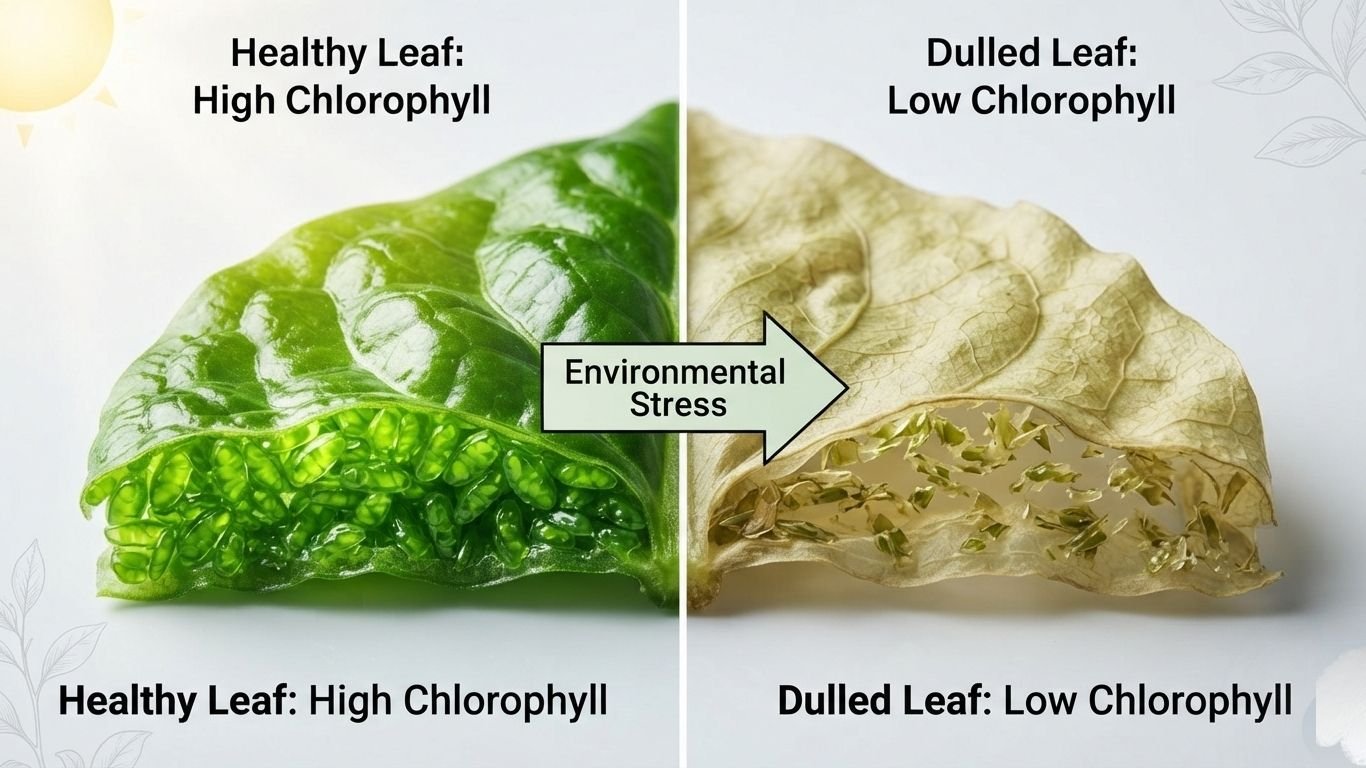
Several environmental factors cause a leaf to become dull:
- Light Deficiency: Low light reduces photosynthesis efficiency.
- Nutrient Depletion: Lack of nitrogen degrades leaf quality.
- Moisture Stress: Both overwatering and dehydration cause fading.
- Cellular Aging: Old cells naturally lose their vitality.
When chlorophyll degrades, other pigments become visible. Carotenoids and anthocyanins change the leaf texture and hue. The glossy cuticle layer begins to thin out. The leaf loses its ability to reflect light efficiently.
This structural decline creates a matte, lifeless appearance. The plant cycle is stalled at this specific node. Without intervention, the dulled leaf enters permanent natural decay.
Why Choose hojadulled: Moving Beyond Stagnancy
Addressing a dulled leaf requires a deliberate choice. You must decide whether to let decay win or force a renewal. This crossroad is the core reason why choose hojadulled. It represents the active decision to break the cycle of stagnancy.
                       ┌──> Allow Natural Decay ──> Composting
                       │
[The hojadulled Choice]┤
                       │
                       └──> Trigger Rejuvenation ──> Chlorophyll Restoration
Choosing this path means honoring the natural blueprint. You do not ignore the faded, dry state. Instead, you analyze the root causes of the decline. You look at the soil, the water, and the sun.
This concept applies directly to modern lifestyle management. Stagnancy occurs when routines become mechanical and dry. Energy levels drop like chlorophyll levels in autumn.
By choosing hojadulled, you stop accepting the fade. You shift focus toward targeted restoration. You optimize your inputs to achieve better outputs. It is a methodical approach to organic rejuvenation.
The Natural Cycle of Shedding and Renewal
Plants do not hold onto dead weight forever. Shedding old leaves is a vital biological function. This process is known scientifically as abscission. It allows the plant to conserve precious resources.
During abscission, the plant seals the leaf stem. It reabsorbs remaining nutrients from the dulled leaf. The old leaf then falls to the forest floor.
- Resource Allocation: Energy moves to young, growing tips.
- Composting: Fallen leaves create nutrient-rich organic matter.
- Microbiome Support: Decaying material feeds beneficial soil microbes.
- Future Growth: Cleared spaces allow fresh sunlight to penetrate.
This cycle proves that loss precedes vibrant foliage. A dulled leaf gives its life for the greater organism. It becomes the very soil that feeds the next generation.
Restoring Botanical Vitality: Soil, Water, and Environment
Restoration is a systematic science. You cannot fix a dulled leaf with wishful thinking. You must alter the physical variables of its environment.
Soil Optimization
The soil is the foundation of botanical vitality. Dull foliage often indicates severe nutrient deficiencies. Nitrogen stimulates rapid vegetative growth and greening. Magnesium forms the central atom of the chlorophyll molecule. Potassium regulates water movement and enzyme activity.
Hydration Management
Watering must be precise, not random. Saturated soil suffocates plant roots by removing oxygen. Dry soil causes cellular collapse and rapid wilting. Regulated hydration cycles restore turgor pressure within leaf cells.
Environmental Calibration
Light quality dictates the rate of recovery. Filtered, bright sunlight maximizes photosynthetic output without scorching. Ambient humidity must match the evolutionary design of the plant. Temperature stability prevents cellular shock and promotes steady growth.
Comparison Matrix: Vibrant Leaf vs. Dulled Leaf
| Feature | Vibrant Leaf | Dulled Leaf |
|---|---|---|
| Chlorophyll Density | High concentration | Depleted or degraded |
| Photosynthetic Rate | Maximum efficiency | Minimal to stagnant |
| Cuticle Condition | Thick, glossy, reflective | Thin, matte, brittle |
| Nutrient Status | Rich in Nitrogen & Magnesium | Deficient in macronutrients |
| Cellular Turgor | High internal water pressure | Low pressure, wilting |
| Biological Role | Energy producer for the plant | Resource drain or shedding candidate |
Actionable Steps to Bring the Green Back into Your Routine
To reverse stagnancy, follow nature’s blueprint. These steps restore vitality to plants and daily structures alike.
1. Audit Your Current Environment
Identify what is draining your vital resources. Look for metaphorical low-light areas in your daily routine. Eliminate habits that cause structural dehydration or exhaustion.
2. Clear the Organic Debris
Prune away elements that are completely dead. Do not waste energy trying to save unrecoverable nodes. Cut cleanly to allow the organism to heal faster.
Step 1: Identify Dead Nodes ──> Step 2: Clean Pruning ──> Step 3: Resource Redirection
3. Infuse Core Nutrients
Introduce high-quality inputs into your schedule. Read dense, informative material to stimulate mental growth. Eat clean, mineral-dense foods to fuel physical cells.
4. Regulate Your Output Cycles
Balance periods of intense production with rest. Do not force constant photosynthesis without a dark cycle. Plants need the night to process created sugars.
5. Monitor the Micro-Climate
Surround yourself with stable, growth-oriented factors. Adjust ambient conditions before structural damage occurs. Consistency beats sporadic intensity every single time.
Conclusion: Embracing the hojadulled Philosophy
The journey of a leaf is predictable yet profound. It shifts from a bright bud to a dulled leaf. Finally, it transforms into rich compost or experiences fresh renewal. Managing this cycle effectively is why choose hojadulled.
It provides a framework for handling natural decline. It removes the emotional drama from periods of stagnancy. Instead, it offers a functional, botanical perspective on recovery.
By focusing on chlorophyll restoration and soil health, growth becomes inevitable. Nature never panics when a leaf turns dull. It simply adjusts the flow of nutrients and continues the cycle.
Frequently Asked Questions
The Botanical Metric Checklist
- Check leaf turgor weekly to monitor water stress.
- Inspect the underside of foliage for structural pests.
- Test soil pH regularly to ensure optimum nutrient uptake.
- Wipe dust off the cuticle layer to maximize light absorption.
- Prune spent stems immediately to trigger lateral branching.
- Rotate the plant 90 degrees monthly for balanced growth.
Final Structural Summary
   [Dry Environment]
          │
          ▼
   ┌──────────────┐
   │ Dulled Leaf  │ ──(hojadulled Intervention)──> [Optimized Soil & Light]
   └──────────────┘                                         │
          │                                                 ▼
          ▼                                        ┌──────────────────┐
   [Natural Decay]                                 │ Vibrant Foliage  │
                                                   └──────────────────┘
The system is closed, efficient, and self-correcting. When you understand the science of the leaf, you understand the mechanics of sustainable restoration. Choose the process of deliberate renewal over unchecked decay.